If you’re in the wastewater or industrial sludge handling space, you know a center drive sludge scraper isn’t just a piece of gear—it’s the unsung hero keeping clarifiers running like clockwork. Mess this up, and you’re dealing with backed-up tanks, unexpected downtime, and a whole lot of extra work. As a supplier who’s been deep in the weeds with these units for over a decade, I’ve seen firsthand how even small missteps can tank reliability. Today, I’m pulling back the curtain on exactly what we (and you) can do to make sure your center drive sludge scraper doesn’t let you down. Center Drive Sludge Scraper
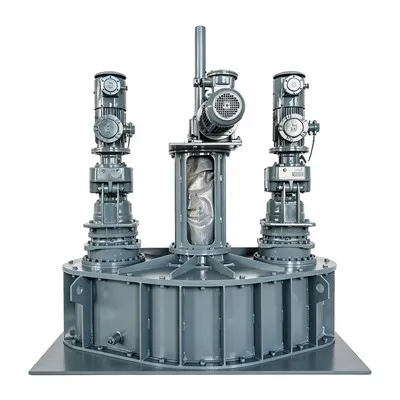
First off, let’s cut to the chase: reliability starts way before the scraper even hits the jobsite. I can’t tell you how many times I’ve heard clients say, “We bought the cheapest one online, and it’s already breaking.” Wait—cheap doesn’t equal reliable, and that’s the first mistake so many people make. When spec’ing a center drive sludge scraper, you need to tailor it to your specific application, not just grab a generic model. Let’s break this down. For example, if you’re working with a primary clarifier that handles high-solids industrial sludge, you can’t use a scraper rated for domestic wastewater. The load is heavier, the abrasion is worse, and the rotation speed needs to be dialed in differently. Our team works with each client to run a quick load calculation: we factor in clarifier diameter, sludge solids concentration, tank depth, even the pH and abrasiveness of the sludge. Skip that step, and you’re basically building a bike with a truck engine—cool, but it’s not going to last.
Then there’s the component selection, and this is where a lot of off-brand units skimp. Let’s start with the drive system—this is the heart of the whole unit. A center drive scraper’s drive isn’t just a motor bolted to a pole. You want a worm gear drive or a helical gear drive, not flimsy plastic gears that strip after a few months. We use cast iron gears in our units, not steel that’s prone to rust, and we size the motor with a 20% power buffer so it doesn’t work overtime every single rotation. Overworking the motor? That’s a fast track to overheating, winding up with burned windings, and being stuck with a dead scraper mid-shift. We also add a torque limiter as a standard feature—yeah, it’s a tiny extra cost upfront, but it saves you big time if a chunk of debris (like a plastic bag or industrial waste) gets wedged under the blades. The limiter will disengage the drive before it breaks gears or bends the skid arm. That’s the kind of small investment that pays off in reliability for years.
Next up: the bearing and seal system, which is the Achilles’ heel of most center drive scraper failures. The drive pole rotates through the center of the clarifier, so you need seals that can stand up to constant exposure to water, chemicals, and fine sludge. Cheaper units use basic lip seals that crack in a year or two, letting water seep into the bearings. When bearings get water, they rust, they seize, and the whole scraper locks up. We use triple-seal systems—labyrinth seals, lip seals, and grease barriers—designed specifically for submersed, abrasive environments. And we pack our bearings with high-temperature, extreme-pressure grease that doesn’t break down even when it’s 90 degrees outside or the sludge is slightly acidic. Trust me, we’ve tested this: we had a client in a food processing plant that deals with high-oil, high-fat sludge—regular grease would get gummed up in three months, but our specialized grease ran smooth for two years before their scheduled rebuild. That’s the kind of reliability we’re talking about.
Once the unit is installed, that’s when the real work to keep it reliable starts. I can spec the best parts and design a perfect unit, but if it’s installed wrong, it’s gonna fail. First, the levelness of the clarifier floor—this is non-negotiable. If the floor isn’t within an eighth of an inch across its entire diameter, the scraper blades will drag unevenly. One side will dig into the sludge, the other will skip, and over time that puts uneven stress on the drive. We have a simple step-by-step installation guide we send to every client, and our techs are on call 24/7 to help with setup. We even offer on-site installation checks for anyone who wants an extra pair of eyes—small cost for peace of mind.
Then there’s rotation speed. A lot of people set it and forget it, but that’s a mistake. The right speed depends on sludge consistency. Too fast, and you stir up the clarified effluent, making it cloudy and bad for discharge. Too slow, and the sludge builds up in the hopper, clogs the lines, and weighs the scraper down until it can’t move. We program our drives with adjustable speed controls, so you can tweak it after startup. For example, a small municipal clarifier with light domestic sludge might run at 1 RPM, while an industrial clarifier with heavy biosolids might need 0.5 RPM. We always tell clients to monitor sludge buildup in the hopper for the first month after startup, adjust speed as needed, and keep a log. That log will tell you so much about your scraper’s performance—when it’s working too hard, when it’s time for a quick check, before a small problem turns into a big one.
Wait, speaking of maintenance—you can have the most reliable unit in the world, but if you skip basic upkeep, it’ll die fast. Let’s be real, no one loves doing maintenance on a sludge scraper, but it doesn’t have to be a big chore. We’ve simplified our maintenance checklist to three key things: lubrication, visual checks, and debris removal. First, lubrication—for our units, you only need to regrease the bearings every six months, not every month like some older models. But you have to use the right grease, not a generic one. I can’t tell you how many clients have brought in a scraper that was failing because someone used automotive grease, which doesn’t have the extreme-pressure additives needed for sludge. Second, visual checks: every month, climb up to the drive head and look at the gears, the seals, and the skid arms for any cracks, rust, or wear. If you see a tiny crack in a skid arm, fix it then—don’t wait until it snaps mid-operation. Third, debris removal: a quick check of the blade tips and the hopper inlet every two weeks to make sure no plastic, rags, or rock chunks are stuck. I’ve seen a scraper stop completely because a single 2-inch rock got wedged under a blade—something that could’ve been fixed in 30 minutes with a 10-minute check.
Another big one: monitoring the unit’s performance with simple sensors. A lot of people think they need fancy IoT systems, but even basic sensors can catch problems early. We offer optional vibration sensors that mount to the drive head—they’ll alert you if the motor is working harder than normal, or if there’s unusual vibration, which could mean a bad bearing or misaligned blades. We also make our control panels user-friendly, so even operators who aren’t electrical experts can read the alerts. One textile client we work with had a vibration alert at 2 a.m.—their operator checked in, found a fabric wedge stuck in the blades, fixed it, and avoided a 12-hour downtime window. That alert saved them thousands in lost production, easy.
And let’s not forget about custom adjustments for site-specific weirdness. Every site has its own quirks. Maybe your clarifier gets a surge of sludge after a rain event, or your pH fluctuates seasonally, or you process a batch of industrial sludge with extra abrasives. We don’t sell one-size-fits-all units—our engineers will tweak the design for your site. For example, we added hardened steel blade edges for a mining client that deals with silica-laden sludge, which would chew through regular steel blades in six months. That simple change made their blade life last three years, and their scraper’s reliability went up 90% because they weren’t replacing blades every few months. Being flexible like that is what makes a unit reliable, not just a spec sheet full of numbers.
Wait, I also need to call out a common mistake people make when replacing parts. A lot of times, when a blade wears out, they just grab a generic blade from a local hardware store, not the exact replacement from the original supplier. But off-brand blades might be the wrong angle, the wrong thickness, or made of inferior steel—all of which throw off the balance of the scraper, leading to uneven wear on the drive, more vibration, and eventual failure. We keep a full stock of replacement parts for all our units, and we ship them out same-day if you need them, so you don’t have to scramble. We also label every part with a QR code that links to a short video showing exactly how to swap it out in 5 minutes—no need to call a tech unless you want to.
Let’s talk about real-world examples, because theory is great, but actual results hit different. Last year, we had a small wastewater treatment plant that was replacing a scraper from a big-name manufacturer that was breaking down every 6 months, costing them $20k each time in downtime and repairs. They switched to our center drive scraper, and 18 months later, they called us to say they hadn’t had a single unplanned shutdown. Their maintenance guy told us he spends 15 minutes a week checking it, that’s it. How’d we do that? We sized the drive system correctly, used the triple seals, built the blades with hardened steel, and walked them through a simple maintenance plan. That’s the kind of result we’re going for with every unit we sell.
Now, let’s get to the part where you might be thinking, “Okay, this makes sense, but what’s next?” If you’re dealing with consistent clarifier issues, or your current scraper is causing downtime that’s costing you money, let’s talk. We don’t just sell units—we work with you to assess your current setup, figure out where the gaps are, and customize a center drive sludge scraper that fits your exact needs, not a generic one. Whether you need a replacement for an old unit, a new unit for a build, or just advice on improving your current scraper’s reliability, our team is here to help. No sales jargon, no hard sells—just real answers based on what we’ve seen work in the field.
Wait, before I wrap this up, let’s recap the key points to make sure you don’t forget them: 1) Spec your scraper for your exact application, not just the cheapest option. 2) Prioritize quality components (drive, bearings, seals) that are built for sludge environments, not generic gear. 3) Install correctly, with a level clarifier floor and dialed-in speed. 4) Do simple, consistent maintenance—don’t skip the small checks. 5) Monitor performance with basic tools to catch issues early. 6) Use original replacement parts, not off-brand ones. Follow these, and your center drive sludge scraper will run reliably for years, no more unexpected shutdowns, no more last-minute fixes.

If you’re ready to stop dealing with scraper headaches and get a unit that works for you, reach out to our team. We’ll walk you through every step, answer any questions you have, and make sure you have a plan for long-term reliability. Don’t let a faulty sludge scraper derail your operations—let’s build something that works.
Thickener References:
- Water Environment Federation. (2020). Clarifier Operation and Maintenance Manual. WEF Press.
- Metcalf & Eddy. (2014). Wastewater Engineering: Treatment and Resource Recovery. McGraw-Hill.
- American Water Works Association. (2018). Water Treatment Plant Design, 5th Edition. AWWA.
- Sludge Handling and Disposal Association. (2021). Center Drive Scraper Reliability Best Practices. SHDA Technical Bulletin 2021-03.
- Pipes, R. W. (2019). Mechanical Design for Wastewater Treatment Equipment. CRC Press.
Shandong Ningye Machinery Equipment Co., Ltd.
Shandong Ningye Machinery Equipment Co., Ltd. is one of the most reliable center drive sludge scraper manufacturers and suppliers in China. With abundant experience, we warmly welcome you to buy discount center drive sludge scraper made in China here from our factory. Quality products and low price are available.
Address: Workshop No. 16, Dongcao Village Industrial Park, Guangda East Road, Songguantun Subdistrict, Economic and Technical Development Zone, Dezhou City, Shandong Province
E-mail: ningyejixie@163.com
WebSite: https://www.cn-ningye.com/
