Dolomite powder, a versatile mineral product, finds extensive applications in various industries such as construction, agriculture, and metallurgy. As a dolomite powder supplier, I understand the importance of proper storage to maintain its quality and properties. In this blog post, I will share some essential tips on how to store dolomite powder properly. Dolomite Powder
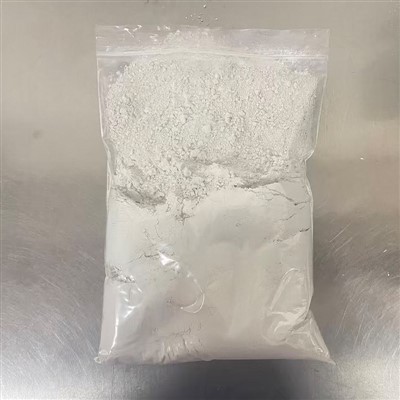
Understanding Dolomite Powder
Before delving into storage methods, it’s crucial to understand the nature of dolomite powder. Dolomite is a carbonate mineral composed of calcium magnesium carbonate (CaMg(CO₃)₂). When ground into powder, it has a fine texture and can be prone to certain environmental factors that may affect its quality.
Factors Affecting Dolomite Powder Storage
Moisture
Moisture is one of the most significant factors that can impact dolomite powder. When exposed to high humidity or water, dolomite powder can absorb moisture, leading to clumping and caking. This not only affects the flowability of the powder but can also change its chemical properties over time. For example, in the presence of moisture, dolomite may undergo a slow chemical reaction with carbon dioxide in the air, forming calcium and magnesium carbonates in different forms.
Temperature
Extreme temperatures can also have an effect on dolomite powder. High temperatures can cause the powder to lose its fineness and may even lead to some degree of thermal decomposition. On the other hand, very low temperatures can make the powder more brittle and difficult to handle.
Contamination
Dolomite powder should be kept away from contaminants such as dirt, dust from other sources, and chemical substances. Contamination can alter the purity of the powder and reduce its effectiveness in various applications. For instance, if the powder is contaminated with heavy metals, it may not meet the quality standards required in the food or pharmaceutical industries.
Storage Requirements
Storage Facilities
- Warehouses: A well – ventilated and dry warehouse is the ideal storage facility for dolomite powder. The warehouse should be constructed in a way that prevents water seepage, whether from the roof or the ground. A raised floor can be beneficial to avoid contact with any moisture on the ground.
- Silos: For large – scale storage, silos are a popular option. Silos should be made of materials that are resistant to corrosion and should be properly sealed to prevent the entry of moisture and dust. They can be equipped with ventilation systems to maintain a stable internal environment.
Packaging
- Bags: Dolomite powder is commonly packed in bags made of materials such as polyethylene or polypropylene. These bags should be thick enough to prevent moisture penetration. Additionally, they should be sealed properly to keep out contaminants. Some bags may also have an inner liner for extra protection.
- Drums: In some cases, especially for smaller quantities or for special applications, dolomite powder may be stored in drums. Drums should be made of materials that are compatible with the powder and should be tightly sealed.
Storage Practices
Stacking
- When stacking bags or drums of dolomite powder, it’s important to ensure a stable and orderly arrangement. The stacks should not be too high to prevent the risk of collapse. A maximum height of around 5 – 6 meters for bag stacks is generally recommended.
- Leave sufficient space between stacks to allow for proper air circulation. This helps in maintaining a consistent temperature and humidity within the storage area.
Inventory Management
- Implement a first – in, first – out (FIFO) inventory management system. This ensures that the oldest stock is used first, reducing the risk of the powder being stored for an extended period and potentially deteriorating.
- Regularly inspect the inventory for any signs of damage, such as torn bags or leaking drums. If any issues are found, the affected product should be isolated and dealt with promptly.
Monitoring
- Install humidity and temperature sensors in the storage area. Regularly monitor these parameters to ensure that the storage conditions are within the acceptable range. For dolomite powder, a relative humidity of less than 60% and a temperature between 10°C and 30°C are generally considered optimal.
- Conduct periodic quality checks on the stored dolomite powder. This can include tests for particle size distribution, chemical composition, and moisture content.
Special Considerations for Different Applications
Construction Industry
In the construction industry, dolomite powder is often used as an aggregate or as a component in cementitious materials. When storing dolomite powder for construction purposes, it’s important to ensure that it remains free from any foreign materials that could affect the strength and durability of the final construction product. Additionally, the powder should be stored in a way that allows for easy access and handling during the construction process.
Agriculture Industry
For agricultural applications, dolomite powder is used as a soil conditioner to adjust soil pH and provide essential nutrients such as calcium and magnesium. When storing dolomite powder for agriculture, it should be protected from contamination by pesticides, fertilizers, and other agricultural chemicals. The storage area should also be clean and dry to prevent the growth of mold or other microorganisms.
Metallurgy Industry
In the metallurgy industry, dolomite powder is used as a flux in the smelting process. The powder should be stored in a way that maintains its chemical purity and reactivity. Any contamination or change in the powder’s properties can affect the efficiency of the smelting process and the quality of the final metal product.
Conclusion
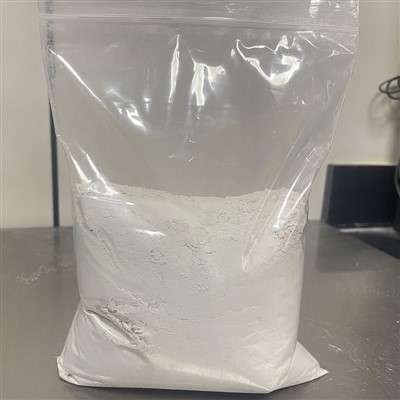
Proper storage of dolomite powder is essential to maintain its quality and ensure its effectiveness in various applications. By understanding the factors that can affect the powder, implementing appropriate storage facilities and practices, and considering the specific requirements of different industries, we can ensure that the dolomite powder we supply meets the highest standards.
Calcium Hydroxide Powder If you are in need of high – quality dolomite powder for your business, I invite you to contact me for a purchase negotiation. I am committed to providing you with the best product and service.
References
- "Mineral Processing Technology" by B. A. Wills and T. A. Napier – Munn
- "Handbook of Agricultural Chemistry" by various authors
- "Metallurgical Principles and Practice" by John F. Elliott
Chaohu Jirun Energy Conservation and Environmental Protection Technology Co., Ltd.
We’re well-known as one of the leading dolomite powder manufacturers and suppliers in China, also support customized service. Welcome to wholesale high quality dolomite powder in stock here from our factory. If you have any enquiry about pricelist, please feel free to email us.
Address: No. 9, north of the intersection of Weihai Road and Weili Avenue, within the industrial park of Yinping Town, Chaohu City, Hefei City, Anhui Province.
E-mail: 13305654485@163.com
WebSite: https://www.chaohujirun.com/
