If you’ve ever browsed industrial flow control equipment, you’ve probably noticed butterfly valves everywhere – from water treatment plants to chemical processing lines, HVAC systems, and even food and beverage facilities. But walk up to any seasoned plant engineer and ask the difference between a low-torque and high-torque butterfly valve, and you’ll get a range of answers that aren’t always clear-cut. As a butterfly valve supplier, I’ve spent years explaining this distinction to customers who initially think “more torque = stronger valve” – only to later realize that picking the wrong option leads to wasted energy, premature component wear, or even valve failure mid-process. Let’s break this down, no jargon fluff, just the real-world differences that matter for your operation. Butterfly Valve
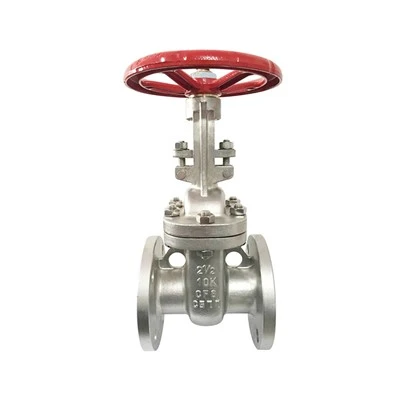
First, let’s start with the basics: torque, in valve terms, is the amount of rotational force required to open or close the valve’s disc, which sits inside the valve body to control flow. Torque is measured in foot-pounds (ft-lbs) or Newton-meters (Nm), and every valve has two key torque values to consider: break torque (the force needed to get the disc moving from a stationary, closed or open position) and running torque (the force needed to spin the disc through its travel, usually 90 degrees from full open to full closed or vice versa).
Low-torque butterfly valves, as the name suggests, require far less force to operate than their high-torque counterparts. On average, a low-torque valve might need 5 to 50 ft-lbs to open or close, depending on its size, pressure rating, and media type. High-torque valves, by contrast, can range from 100 ft-lbs up to several thousand ft-lbs for large, high-pressure models. The biggest question is: when do you need one, and not the other? Let’s get into the core functional differences that drive that choice, starting with design.
The design of the valve’s disc and seat is the single biggest factor separating low and high torque. Most low-torque valves are either concentric (also called “rubber-lined concentric”) or high-performance butterfly valves with a “eccentric” disc profile that’s offset from the centerline of the pipe. Wait – eccentric might sound more complex, but no, for low-torque applications, the offset is minimal. Concentric valves have their disc perfectly aligned with the pipe center, so when the valve is closed, the disc sits directly against a soft elastomer seat (usually EPDM, Buna-N, or Viton) lining the valve body. Because the seat is soft, it creates a tight seal, but the disc doesn’t have to pry against hard metal, which cuts down on the force needed to move it.
High-torque valves, though, use a different design: triple eccentric metal-seated butterfly valves. These have a disc offset not once, but three times – off the pipe center, off the valve body’s center, and at an angle that means when the valve is closed, the disc never actually touches the seat until the very end of the 90-degree rotation. That design eliminates the constant friction between disc and seat that concentric valves have, which makes triple eccentric valves ideal for high-temperature or abrasive media. But that last, tiny contact point requires far more force to pull the disc tight against the metal seat for a bubble-tight seal – hence the high torque.
Next, let’s talk about operating conditions, because torque needs directly tie to what you’re pumping through the valve. Low-torque butterfly valves shine in low-pressure, low-temperature, clean media applications. Think of municipal water distribution, residential HVAC systems, or food processing lines moving syrup, milk, or liquid detergent. In these cases, your system’s line pressure is usually 150 PSI or less, the temperature is under 200°F, and the media is non-abrasive. The low break and running torque means you can operate the valve with a simple hand lever, a small electric actuator, or even a pneumatic actuator rated for low force – no need for bulky, expensive actuation equipment. I’ve had customers come to me saying they tried a high-torque valve for their residential irrigation line, and their 12V actuator burned out in six months because it was sized for too much force. That’s the kind of mistake low-torque valves are made to prevent.
High-torque butterfly valves, by contrast, are built for harsh operating conditions. If you’re moving high-pressure steam (300 PSI or higher), abrasive slurry, corrosive chemicals, or media with temperatures over 300°F, you need the triple eccentric metal-seated design that generates high torque. The metal seat holds up to extreme temperatures and abrasion that soft elastomer seats would degrade in within months, and the tight, metal-to-metal seal prevents leaks when line pressure is high. That said, the force needed to move that disc isn’t just about the seat – it’s also about handling the pressure differential across the valve. When a valve is closed, the upstream line pressure pushes against one side of the disc; for large valves or high line pressure, that can create a huge pressure imbalance that you need force to overcome. A low-torque valve designed for 100 PSI will never have enough torque to open against a 300 PSI pressure differential, no matter how you size the actuator. I once worked with a mining customer who tried to use a low-torque valve on their tailings line, which carries abrasive rock slurry at 250 PSI. Within three months, the soft rubber seat wore through, and the valve wouldn’t hold pressure – so they upgraded to a high-torque metal-seated model, and it’s still running two years later.
Another key difference is maintenance. Low-torque butterfly valves are notoriously low-fuss, which is why they’re so popular for applications where downtime is costly but maintenance budgets are tight. The soft seat is easy to replace if it wears out, and the low operating force means you rarely have to adjust the actuator or lubricate the stem to keep the valve working. I’ve had customers tell me they’ve had low-torque valves in their plant for 10 years, and the only maintenance they’ve done is wipe down the handle once a year. High-torque valves, though, need regular inspection. The triple eccentric design’s offset components mean you have to check the stem alignment periodically, and the metal seat can experience galling (seizure between two metal surfaces) if not lubricated properly. That high torque also puts more stress on the stem, actuator, and valve body components, so you can’t cut corners on material quality – a cheap high-torque valve with a cast steel stem will bend or break under the force required for high-pressure operations.
Wait, but let’s bust a common myth here: more torque isn’t always better. I’ve had customers request high-torque valves “just to be safe,” but that adds unnecessary cost. A small 2-inch butterfly valve for a low-pressure water line doesn’t need 200 ft-lbs of torque – that would mean over-sizing the actuator, which adds hundreds of dollars to the valve’s cost, and increases the footprint of the equipment, which matters in tight plant layouts. Conversely, using a low-torque valve in a high-torque application is a recipe for failure: the disc will bind against the seat, the actuator will burn out, and you’ll have to shut down your line to replace the valve, which can cost thousands in lost production.
So how do you choose, as a buyer? Let’s walk through a quick checklist I give every customer who reaches out to me for a valve recommendation. First, ask: what’s your line pressure? If it’s under 150 PSI, low-torque is almost always sufficient – unless you’re dealing with abrasive media, in which case you might need a slightly higher torque valve but still not the heavy-duty high-torque model. Second, what’s your media temperature and type? If it’s above 200°F, or abrasive, corrosive, or has solid particles, you’ll need high-torque metal-seated. Third, what’s your actuation setup? If you’re using manual operation or a small electric/pneumatic actuator, stick to low-torque for small to medium valves. If you’re using automated operation for high-pressure lines, you’ll need to match the actuator’s torque rating to the valve’s required torque.
I’ll be honest: not every application fits perfectly on this line. There’s a middle ground – high-performance butterfly valves that offer a balance of low torque and high-temperature resistance, for example, for applications between 150 and 300 PSI. But the core difference between low and high torque never changes: it’s all about matching the valve’s torque rating to your operating conditions to avoid overpaying or under-designing.
Over the 12 years I’ve been in the butterfly valve supply business, I’ve seen too many customers make the wrong choice because they didn’t understand torque. One food manufacturer came to me after installing 20 low-torque valves on their hot sauce processing line; within six months, the rubber seats had dissolved in the acidic, 180°F vinegar-based media, and the valves were leaking everywhere. We swapped them for medium-torque Viton-lined valves (which handle higher temperatures and chemicals) at a cost that was 20% more than their original low-torque models, and they haven’t had a leak since. Another customer, a power plant, tried to use a low-torque valve on their main steam line; the 1-inch valve couldn’t handle the 350 PSI pressure differential, so their actuator burned out, and they had to schedule a line shutdown that cost them $15,000 in lost power generation. That’s the kind of avoidable mistake I help customers steer clear of every day.
At the end of the day, butterfly valves are designed for versatility, but that versatility comes with tradeoffs. Low-torque models are affordable, easy to operate, and low-maintenance, perfect for the majority of common industrial applications. High-torque models are built to withstand extreme conditions, offer longer service life in harsh environments, and provide bubble-tight seals for high-pressure or high-temperature media – but they come with a higher upfront cost and more maintenance requirements.
If you’re not sure which type is right for your operation, don’t guess. Working with a supplier who understands torque differences isn’t just about selling you a valve – it’s about making sure it works for your specific process. I’ve helped customers size valves for everything from residential pools to oil refineries, and the key is asking the right questions: what’s your line pressure, what media are you moving, and do you have automation requirements? There’s no one-size-fits-all answer, but there is a right answer for every application.
When you’re ready to replace or upgrade your butterfly valves, don’t waste time on models that don’t fit your needs. Reach out to discuss your requirements, and I’ll help you pick the right low or high-torque valve that balances performance, cost, and longevity for your operation.
Check Valve References
- Miller, J. (2021). Industrial Flow Control: Design, Selection, and Application of Butterfly Valves. Professional Engineering Publishing.
- American National Standards Institute (ANSI). (2019). ANSI/ISA-75.01.01: Control Valve Terminology. International Society of Automation.
- Smith, R. (2022). Torque Calculations for Butterfly Valves in High-Pressure Applications. Journal of Industrial Flow Equipment, 45(2), 112-128.
Wenzhou Starry Valve Co., Ltd.
Wenzhou Starry Valve Co., Ltd. is one of the most professional butterfly valve manufacturers and suppliers in China, also supports customized service with low price. Please feel free to buy the newest butterfly valve made in China here from our factory. Welcome to contact us for pricelist.
Address: No.4900, 3rd Road, Binhai Industrial Park, Wenzhou Economic & Technological Development Zone, Wenzhou City
E-mail: starryvalves@163.com
WebSite: https://www.starryvalves.com/
