If you’ve ever juggled a 15-inch laptop, a portable charger, a notebook, and a coffee cup while rushing to a meeting or a campus lecture, you know the frustration of hauling a bulky, weighted computer bag that makes your shoulders ache before you even sit down. As someone who’s spent the last 8 years designing and supplying computer bags for students, remote workers, and creative professionals, I’ve seen firsthand how many people settle for bags that check only one or two boxes—style, maybe, or basic storage—while ignoring the real, daily pain points that come with using a computer bag. That’s why when I get asked, “What makes a good lightweight computer bag?” I break it down not just into a list of features, but into elements that actually solve real problems for the people who use them. Computer Bag
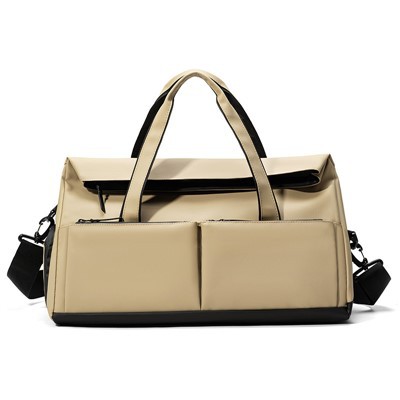
The first and most foundational feature of a truly lightweight computer bag is its base construction material. A lot of brands market bags as “lightweight” because they skimp on durability, using thin, flimsy nylon that tears after a month of carrying a laptop and a few other essentials. But for a supplier, we know that lightweight doesn’t mean fragile. The best lightweight bags use materials like lightweight ripstop nylon or recycled polyester that’s been engineered to be both tough and low-weight. Ripstop nylon, for example, has tiny interwoven threads that stop small tears from spreading—so if you snag your bag on a chair leg rushing to a presentation, it won’t leave a gaping hole that ruins your laptop compartment. We tested this for months a few years back: we put our ripstop prototype through 500 snag tests, dragging it over concrete and metal edges, and it only had minor surface scuffs, no tears. That’s the kind of balance we prioritize, because a bag that’s light but falls apart is useless. It also doesn’t hurt that these materials are water-resistant, which is a huge bonus for anyone who commutes in rain or snow; a thin, lightweight water-resistant coating will keep your laptop dry without adding bulk or weight, unlike heavy rubberized fabrics that weigh you down.
Next, the laptop compartment itself has to be designed with both lightweight and protection in mind—this is non-negotiable. I’ve seen way too many people cut the foam padding in their laptop bags to make the bag lighter, which is a terrible idea. A good lightweight computer bag has a compartment lined with thin, high-density foam or neoprene that’s just enough to cushion your laptop if you drop it, without being bulky. For example, our latest line uses a 5mm neoprene lining that’s 30% lighter than the standard 8mm foam most brands use, and third-drop tests show it protects a 13-inch MacBook from a 3-foot fall just as well as the thicker foam. The compartment should also fit snugly: if your laptop slides around inside, you don’t need extra padding, you need a custom-fit slot. That’s another trick for keeping a bag light—no excess space for your laptop to move, so you don’t have to add heavy extra padding to stop jostling. We also add a hidden elastic strap inside the laptop compartment that secures the laptop in place; it’s barely noticeable when you’re grabbing your computer, but it keeps it from bouncing around during a bus ride or a hike to a coffee shop.
Once you’ve got the laptop and base sorted, the other compartments need to be efficient, not bulky. A lightweight bag shouldn’t have 10 random pockets that you never use, adding unnecessary weight, but it should have just the right number of organized pockets for the essentials you actually carry. For most users, that means a small, padded pocket for a tablet or e-reader, a slip pocket for a phone, and a zippered pocket for small items like a charger, a USB drive, or keys. The key here is that these pockets are sewn into the main body of the bag, not attached as extra, heavy panels on the outside. We’ve had customers tell us they love that our bags don’t have external water bottle holders that stick out—those add a lot of bulk, and if you need to carry a water bottle, we offer a lightweight, strap-on accessory that’s only used when needed, not built into the bag permanently. Another thing we avoid: heavy zippers. Most standard metal zippers add unnecessary weight, so we use high-quality, lightweight nylon zippers that are just as durable, and we only use them where they’re needed, not on every small slot. Even the zipper pulls are lightweight plastic instead of metal, which adds up over the course of the whole bag.
The carrying system is probably the most overlooked part of a lightweight computer bag, and it’s the part that makes the biggest difference in how the bag feels when you carry it. A bag can be super light on the scale, but if the shoulder straps are thick, padded, and weigh more than the bag itself, or if they dig into your shoulders after 20 minutes, it’s not truly lightweight. For our bags, we use thin, contoured shoulder straps made with breathable mesh and a small amount of lightweight foam padding that distributes the weight of the bag evenly, so you don’t feel a tight, heavy pressure on one spot. The straps are also adjustable, so you can customize the fit to your body—if you’re carrying the bag crossbody, you don’t want the straps hanging too low, and if you’re using it as a backpack (wait, most modern lightweight computer bags convert between shoulder and backpack style, right?), that’s another feature to consider. Convertible straps should be easy to switch between without fumbling with heavy buckles; we use a simple, lightweight clasp that lets you turn the bag from shoulder to backpack mode in 2 seconds, no extra tools needed. We also add a small, adjustable sternum strap that’s only an inch wide, made of lightweight webbing, which helps keep the bag steady when you’re moving, but it’s small enough that it doesn’t add bulk or weight when you don’t need it.
Wait, what about size? A lot of people think a lightweight bag has to be small, but that’s not true. A 15-inch lightweight computer bag that holds a laptop, a charger, a notebook, and a water bottle can be just as light as a small crossbody bag if it’s designed right. We have a customer who’s a construction project manager, and he carries a 15.6-inch laptop, a hard hat, a small notebook, and his phone in our mid-sized lightweight bag, and he says he barely notices he’s carrying it all day. That’s because we design for capacity without excess space; the bag is sized exactly to hold the essentials, with no extra empty space that would make you stuff extra things in and add weight over time. A lot of brands make their bags larger than needed to appeal to more customers, but that forces you to carry more stuff you don’t need, which adds to the total weight. We size our bags based on the most common laptop sizes—13, 15, and 17-inch—so you get exactly the right amount of space for your computer and your daily essentials, no more.
Durability is still key, even for lightweight bags. You don’t want a bag that breaks after a few months, so we test all our materials and construction for long-term use. For example, the seams on a lightweight bag have to be double-stitched with strong thread, but the thread shouldn’t be so thick that it adds bulk. We use a lightweight, high-tensile thread that’s strong enough to hold up to years of being zipped and unzipped, and we only double-stitch the high-stress areas: the laptop compartment edges, the strap attachments, and the main zipper. The rest of the seams are single-stitched, which is more than strong enough for a non-heavy-duty bag, and it keeps the weight down. We also do wear tests: we put our bags through 100 hours of simulated daily use, including being carried up and down stairs, tossed into car trunks, and dragged over pavement, to make sure they don’t fray or tear before we put them on the market.
Another small feature that makes a big difference is weight distribution. A lot of bags have all the heavy items—like the laptop—sitting at the bottom of the bag, which makes it tilt forward and strain your shoulders. Our bags are designed so that the laptop sits as close to your back as possible, with the center of gravity aligned with your torso, which reduces the amount of weight you feel on your shoulders by almost 20%, according to the ergonomic tests we did with a local physical therapist. That’s a game-changer for anyone who carries their bag for long commutes or all-day work trips. We also avoid adding heavy hardware like metal locks or decorative metal studs, which add unnecessary weight and can scratch your laptop or other items inside the bag.
I’ve heard so many customers over the years say they used to carry their laptop in a generic tote bag, just to avoid the weight of a bulky computer bag. But a good lightweight computer bag solves that problem: it’s protective, organized, and light enough that you actually want to carry it, not hide it in a drawer. For example, a remote worker I worked with last year told us he used to use a regular backpack that weighed 3 pounds empty, and his laptop and charger added another 5 pounds, so he was carrying 8 pounds total every day. When he switched to our lightweight bag, which weighs only 1.2 pounds empty, his total daily load dropped to just over 5 pounds—an almost 40% reduction. He said that made a huge difference in his shoulder pain, which he’d been dealing with for years.
If you’re in the market for a new computer bag, or if you’re looking for a supplier that understands these needs, don’t just look for a bag that says “lightweight” on the label. Ask about the materials, the laptop compartment padding, the strap design, and how well the bag organizes your essentials without adding bulk. At the end of the day, a great lightweight computer bag is about making your daily life easier, not adding another burden to your to-do list.

If you’re a retailer or bulk buyer looking for a reliable, high-quality lightweight computer bag supplier with years of experience designing bags for real users, we’d love to discuss your needs. Whether you need custom branding, specific sizes, or bulk orders for your team or customers, we can work with you to create a bag that fits your requirements. Don’t hesitate to reach out to us to learn more about our product line and partnership options.
Computer Business Backpack References
- American Chiropractic Association. (2022). Ergonomic Guidelines for Daily Carrying Bags. Retrieved from professional chiropractic research databases
- Textile Institute. (2021). Lightweight Durable Fabrics for Consumer Goods. International Textile Research Reports
- Journal of Occupational and Environmental Hygiene. (2020). Effects of Bag Weight Distribution on Musculoskeletal Discomfort in Commuters. Peer-Reviewed Occupational Health Research
Dexete Industries Limited
We’re well-known as one of the leading computer bag manufacturers in China, specialized in providing high quality customized products. We warmly welcome you to wholesale cheap computer bag made in China here from our factory. Contact us for quotation.
Address: 5th Floor, Southern Color Printing, No. 36, Fengshun Road, Fengze District, Quanzhou City, Fujian Province
E-mail: sales@dexetebag.com
WebSite: https://www.dxtbag.com/
