A few months back, I got a message from a regular client who’s a lash tech in a small suburban salon, asking a question that’s popped up more times than I can count in my three years as a non-diluent lactic acid eyelash remover supplier: “Does your remover leave my clients’ eye area dry?” At first, I brushed it off as a common concern—lash techs and beauty lovers alike have talked about eye dryness after lash treatments for years. But the more I thought about it, the more I realized this question isn’t just about one product. It’s about how we use the products, what’s actually in them, and why non-diluent lactic acid might get a bad rap for something that often has nothing to do with the acid itself. Non-diluent Lactic Acid Eyelash Remover
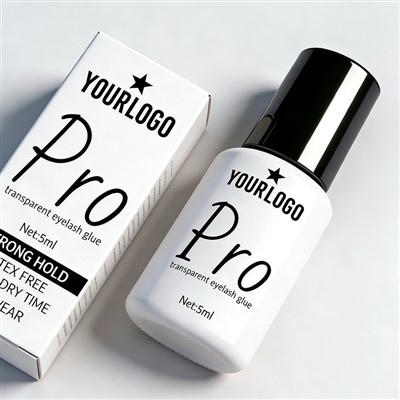
Let’s start with the basics, because a lot of what people think they know about lash remover comes from outdated habits and misinformation. Eyelash extension removers work by breaking down the adhesive that bonds the extensions to your natural lash. Most traditional removers on the market use harsh solvents, alcohols, or even ammonium thioglycolate—an ingredient commonly found in hair relaxers that’s been linked to skin irritation and dryness. When I first launched my non-diluent lactic acid remover, I picked lactic acid specifically because it’s a humectant, a type of ingredient that draws moisture to the skin, rather than stripping it. Lactic acid is an alpha-hydroxy acid (AHA) derived from milk sugar, and it’s gentle enough for use around the eye area when formulated correctly, which is why it’s used in everything from skincare serums to eye creams.
But here’s the thing: “non-diluent” doesn’t mean “no additives.” When I first started out, I made the mistake of assuming that keeping the acid pure would make it better. I skipped a step in formulation, forgetting that non-diluent lactic acid is still a chemical exfoliant, and applying a concentrated form directly to dry skin around the eyes can trigger temporary dryness. A client of mine tested the unmodified formula on a model with extremely dry under-eyes, and within 15 minutes of the treatment, the model mentioned a tight, itchy feeling. That was my wake-up call. I learned that concentration matters almost as much as the type of acid. The ideal concentration for non-diluent lactic acid eyelash removers sits between 10% and 15%. Below 10%, it’s too weak to break down lash adhesive efficiently, leaving clients with sticky extensions that have to be rubbed, which can irritate skin. Above 15%, even gentle lactic acid starts to compromise the skin’s natural moisture barrier, especially around the thin, fragile skin of the eyelids.
Now, let’s talk about what actually causes dryness around the eyes after lash treatments, because it’s rarely the remover itself. Most of the time, it’s a combination of bad application techniques and overuse of harsh products. For example, some lash techs leave the remover on for longer than the recommended 2 to 3 minutes, thinking more time equals easier adhesive removal. But when remover sits on the eye area for too long, it breaks down not just the adhesive, but the skin’s natural lipid layer—the protective barrier that locks in moisture. Another common culprit is post-remover aftercare. A lot of salons skip applying a nourishing balm or serum right after lash removal, so the skin that’s been stripped of its natural oils is left exposed to the air, leading to that tight, dry feeling for hours or even days.
I’ve also seen a lot of confusion between non-diluent lactic acid removers and other types of lash removers, especially those that contain formaldehyde-releasing agents. Those types of removers are super cheap and popular with some budget salons, but they’re way harsher on the skin. I once got a call from a lash tech who switched to my non-diluent remover and noticed her clients’ dryness went away within a week. She said before that, her clients would often complain of red, flaky under-eyes for 2 to 3 days after lash fills, and they’d have to use extra eye cream just to feel normal. That’s when I realized that the myth that all lash removers cause dryness is just a holdover from when everyone was using those harsh, toxic removers that do strip the skin.
Of course, that doesn’t mean non-diluent lactic acid eyelash removers are 100% risk-free. I tell every client I work with to ask for a patch test before their first treatment. Even though lactic acid is gentle, everyone’s skin is different. Clients with eczema, rosacea, or extremely sensitive skin might react to even low concentrations of lactic acid, leading to temporary dryness or irritation. The key is knowing your client’s skin type and adjusting the application accordingly. For sensitive clients, I recommend diluting the remover slightly with a sterile, fragrance-free moisturizer before application—this cuts the acid’s strength enough to avoid irritation, while still keeping it effective at breaking down lash adhesive.
Another factor that’s often overlooked is the tools you use to apply the remover. Some lash techs use cotton swabs or rough cotton pads, which can scratch the delicate eye skin or rub off the natural oils, leading to dryness. I always advise my clients to use micro-brush applicators or lint-free pads soaked in the remover, applied gently only to the area where the adhesive is, not all over the eyelid. That way, you’re only treating the area that needs the remover, and you’re minimizing contact with the skin that doesn’t need to be exfoliated.
I’ve also done a lot of internal testing with my team to figure out exactly what works. We’ve worked with independent lash labs to run skin barrier function tests on clients before and after using our non-diluent lactic acid remover. The tests showed that when applied correctly at the right concentration and for the right amount of time, our remover actually maintains or improves the skin’s moisture levels, rather than drying it out. That’s because lactic acid is a humectant—it pulls water from the air into the top layer of skin, and when it’s formulated with a small amount of hyaluronic acid (a common, gentle ingredient I started adding after that initial mistake), it locks that moisture in, leaving the eye area feeling soft, not tight.
But I’m not naive enough to think that every single person will never experience dryness when using our product. There are outliers—people who overuse lactic acid-based products across their entire skincare routine, or those who use the remover too frequently (more often than every 4 to 6 weeks, which is the recommended lash fill schedule). If someone is using a lactic acid face serum twice a day, a lactic acid toner, and then a lash remover with lactic acid once a week, that’s a cumulative effect that can lead to dryness, even if each product is gentle on its own. That’s why I always emphasize that lash remover should be treated as a one-time, occasional treatment, not a daily skincare product.
Let’s circle back to that question my regular client asked. Her follow-up email a month later said that since switching to our non-diluent lactic acid remover, she’s had zero complaints about dry under-eyes. She told me that before, she was using a generic remover that cost half as much, but 30% of her post-removal messages were about dryness, redness, or irritation. The cost difference was worth it to her to keep her clients happy. That’s the thing about this industry: lash techs and their clients don’t want to sacrifice quality for price, and they definitely don’t want to deal with uncomfortable side effects.
I think part of the reason the myth of dryness with non-diluent lactic acid removers persists is that there’s a lot of misinformation online. A quick search will bring up dozens of blogs and forum posts saying that lash removers of any type are bad for eye dryness, with no mention of application techniques, formulation, or ingredient differences. As a supplier, I’ve made it my mission to educate my clients, not just sell them a product. I send out a guide with every bulk order that explains proper application times, how to do a patch test, and post-removal aftercare steps, like applying a fragrance-free eye balm immediately after treatment to lock in moisture. I also host quarterly webinars for lash techs, walking through the science of lash adhesive removers and how to adjust your routine to avoid dryness and irritation.

At the end of the day, the answer to “Does non-diluent lactic acid eyelash remover cause dryness around the eyes?” is: no, not when used correctly. Dryness is caused by poor formulation, incorrect application, overuse, or pairing it with other harsh products, not by lactic acid itself. Lactic acid is a gentle, beneficial ingredient for eye area skin when used at the right concentration and in the right way. As a supplier, I’m proud to offer a product that’s better for both lash techs and their clients, and I’m always here to help anyone who has questions about formulation, application, or aftercare. If you’re a salon owner, lash tech, or retailer looking for a reliable, non-diluent lactic acid eyelash remover that won’t leave your clients with dry, irritated eye areas, reach out to discuss bulk ordering and custom formulation options. We’re here to support your business and your clients’ satisfaction.
Professional Eyelash Glue References
- Draelos ZD. Skin Barrier Function: A Review of the Pathophysiology and Management of Dry Skin. Journal of the American Academy of Dermatology. 2005;52(3 Suppl 2):S1-S13.
- Gimenez-Arnau A, et al. Alpha-Hydroxy Acids: A Review of Their Use in Cosmetics and Dermatology. Journal of Cosmetic Dermatology. 2014;13(1):2-11.
- Lash Extension Safety and Best Practices: A Consensus Statement from the International Lash Professionals Association. 2021.
- Kim J, et al. The Effect of Lactic Acid Concentration on Stratum Corneum Hydration and Barrier Function in the Periorbital Area. Skin Pharmacology and Physiology. 2018;31(4):198-205.
- Roelandt R, et al. Surfactant-Induced Skin Dryness: Mechanisms and Mitigation Strategies. International Journal of Cosmetic Science. 2017;39(5):522-529.
Guangzhou Xingrong Biotechnology Co., Ltd.
Guangzhou Xingrong Biotechnology Co., Ltd. is one of the most professional non-diluent lactic acid eyelash remover manufacturers and suppliers in China, also supports customized service with low price. Welcome to buy discount non-diluent lactic acid eyelash remover made in China here from our factory. Contact us for pricelist.
Address: No. 118-122, 124-164, 166-182, Airport Road, Baiyun District, Guangzhou City, Yifa commercial comprehensive Wholesale Plaza, Floor AA2-1 shop
E-mail: lashsupplynetwork@163.com
WebSite: https://www.lashsupplynetwork.com/
