What’s up, fellow snack lovers and food industry folks! If you’ve ever stared at a bag of spicy cheese puffs, a jar of pickled almonds, or a pack of frozen taquitos and wondered how those snacks stay fresh for months without going all soggy or moldy, I got a sneaky little answer for you: sodium diacetate. As someone who’s been in the sodium diacetate supply game for years (not some corporate suit hiding behind a lab coat—just a guy who’s talked to 100+ snack makers about this stuff), I’m here to break down exactly how this weird-sounding ingredient works, why it’s basically a superhero for snacks, and why every snack factory worth its salt (pun absolutely intended) swears by it. Sodium Diacetate
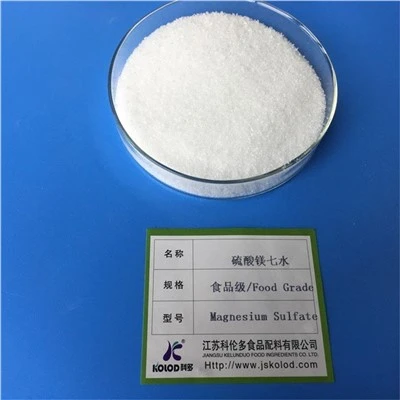
First off, let’s get one thing straight—sodium diacetate isn’t some weird lab-made chemical that tastes like metal. It’s actually a combo of two totally ordinary food-grade stuff: sodium acetate (that’s the salty stuff you might’ve seen in soap or even some cleaning products, but the food-grade version is totally safe) and acetic acid (hello, that’s vinegar! You know, the stuff you put on chips or pickles to make them tangy). Mix those two together, and you get a white, powdery (or sometimes granular) substance that looks like fine table salt but does way more than just season your fries. The best part? It’s GRAS—Generally Recognized As Safe—by the FDA, so you don’t have to panic if you see it on an ingredient list (no, it’s not “chemical junk” like some clickbait articles will tell you).
Now, let’s get to the real question: how does it actually work in snack foods, not just some random lab test? Let’s start with the two big problems every snack maker fights every single day: mold and bacteria, and flavor loss. Most preservatives only fix one or the other, but sodium diacetate? It’s like a two-for-one special that doesn’t skimp.
First, the mold and bacteria fight. Let’s talk science, but keep it chill, no PhD required. You know how vinegar kills germs? That’s the acetic acid part, right? Acetic acid is a weak acid, but when it’s in a certain form, it can sneak past the outer shell of mold and bacteria cells and mess with their insides. Here’s the kicker: when you mix acetic acid with sodium acetate to make sodium diacetate, it doesn’t just dump acid into the snack—it keeps the pH (that’s the measure of how acidic something is) balanced. Most snacks have a natural pH that’s just neutral or slightly tangy, so if you add straight vinegar, it might make the whole thing too sour or mess up the texture (ever had a pickle that was so vinegary it burned your tongue? That’s straight acid doing its thing).
Sodium diacetate releases acetic acid slowly, in tiny amounts, so it keeps the pH right where it needs to be—usually between 5.0 and 6.5, depending on the snack. That’s the sweet spot where mold and bacteria can’t survive, but it doesn’t make the snack taste like a pickle that was left in a bucket of vinegar for a week. For example, take those shelf-stable meat sticks you grab at gas stations—old school preservatives like nitrites work, but sodium diacetate cuts mold growth by like 90% without making the meat taste like a deli counter that’s been open too long. I’ve got a client who makes organic turkey jerky, and before they switched to sodium diacetate, their product would go bad in 2 weeks on store shelves. Now it’s good for 6 months, and they haven’t had a single batch complaint about mold.
Then there’s the other side: flavor. A lot of preservatives are either flavorless (boring!) or make snacks taste like they’ve been sitting in a warehouse for a year. Sodium diacetate adds a subtle, tangy-salty kick that’s not overpowering—like the back-end flavor in hot Cheetos or the hint of vinegar in some BBQ chips. Wait, that’s not just a side effect! Snack makers actually use it as a flavor enhancer, too. Because it works with other seasonings—like cheese powder or chili powder—to make the flavor pop more. Before sodium diacetate, some cheese puff brands would have to add more cheese powder to get that tangy-salty taste, which made the puff greasy and left a weird aftertaste. Now they use a little sodium diacetate, cut the extra cheese powder, and the flavor is better and the snack is less greasy.
But hold up, it’s not just for savory snacks. I’ve worked with a client who makes protein bars—you know, the kind with dried fruit and nuts that go stale if you leave them out. Sodium diacetate keeps the protein bar from getting dry and stale by slowing down the process where fats and oils in the nuts go rancid. Rancidity is when those oils break down and taste like old cardboard, and most preservatives don’t touch that. Sodium diacetate’s balanced pH also stops the enzymes in the fruit from breaking down, so the dried cranberries in the bar stay chewy instead of turning into crumbs. Another big one: frozen snacks. Frozen taquitos, pizza rolls, even frozen vegetable sticks—when you freeze something, you’d think mold would die, but some bacteria (like Listeria, yikes) can hang out in cold temps. Sodium diacetate inhibits those cold-loving bacteria, so you don’t have to worry about getting a foodborne illness from a frozen snack that’s been sitting in the grocery store freezer for 6 months.
Now, why is sodium diacetate such a game-changer for snack makers compared to other preservatives? Let’s compare it to the old standbys. Calcium propionate is another common mold inhibitor, but it’s chalky—if you add too much, it makes snacks taste like old school chalkboard erasers. Potassium sorbate works, but it’s weird with heat—when you bake or fry a snack, it breaks down and loses its preservative power. Sodium diacetate is heat-stable up to like 400°F (that’s way hotter than most snack baking or frying temps), so it works in everything from baked crackers to fried potato chips. It’s also soluble in water, so you can mix it into dough for crackers, coat it on snack nuts, or add it to the oil for frying chips—super versatile.
Wait, but what about clean label? That’s a huge thing right now—consumers don’t want ingredients they can’t pronounce, and “sodium diacetate” sounds a little fancy, but wait—let me clear that up. A lot of clean label snack brands actually use sodium diacetate because it’s derived from natural sources? Wait, no—wait, food-grade sodium diacetate is made from either synthetic or natural acetic acid (from vinegar, wine, or even sugar fermentation) and sodium acetate. But the key thing is, the FDA classifies it as a “natural flavor enhancer and preservative” if it’s made from natural sources, which is why so many craft snack brands are jumping on it. My company works with a lot of small-batch snack makers who were scared of “chemical preservatives” but switched to sodium diacetate, and their customers don’t even notice it—they just say “your chips taste fresher.”
I should also address a common myth: some people think sodium diacetate has too much sodium, but if you look at the serving size, it’s negligible. A bag of potato chips might have 0.1 grams of sodium diacetate per serving—compared to the 150mg of sodium from the salt already in the chips. So it’s not adding a ton of extra sodium, which is a big plus for brands targeting health-conscious consumers.
Now, let’s get real about the supply side, since I’m the guy who sells this stuff. A lot of snack makers come to me because they tried other preservatives and they’re dealing with batch failures, flavor issues, or shelf life that’s too short. Last year, I had a client who made spicy pickle-flavored pork rinds—they were using straight vinegar as a preservative, but it was making the rinds soggy and too sour, and half their batches were molding before they hit stores. We swapped in a mix of sodium diacetate and a tiny bit of natural vinegar, and suddenly their rinds had the perfect tang, stayed crispy for 8 months, and their sales went up 40% because no one was returning bags for mold. That’s not just a win for me—that’s a win for the snack maker and the customers who get a better product.
Another thing: sodium diacetate works in low-moisture snacks, which is where a lot of other preservatives fail. Think about snack nuts, popcorn, pretzels—these have very little water, so mold and bacteria don’t seem like a problem, but wait, over time, those fats go rancid, and if there’s any tiny bit of moisture in the bag, mold can grow. Sodium diacetate’s slow-release acid keeps the pH just right, so even low-moisture snacks stay fresh way longer. I had a peanut butter snack client who was losing money because their peanut butter crackers were going stale in 3 weeks. After adding a small amount of sodium diacetate, their shelf life jumped to 5 weeks, and they cut their waste from stale products by 25%—that’s a huge cost saver for a small brand.
Wait, let’s make sure I’m not overstating it—sodium diacetate isn’t a magic bullet. It works best when it’s paired with other ingredients, like good packaging (airtight bags with nitrogen flushing, for example) and proper storage. But it’s a core ingredient that makes all those other parts work better. If you skimp on packaging, even the best preservative won’t save your snack, but sodium diacetate gives you a buffer to make sure your product gets to the customer in the same condition it left the factory.
For all you snack makers reading this (and the curious consumers, too), here’s the takeaway: sodium diacetate isn’t some scary chemical. It’s a balanced, versatile preservative and flavor enhancer that solves two of the biggest headaches in the snack industry—spoilage and bad flavor—without messing with your product’s texture or making it taste like a lab experiment. It’s heat-stable, clean-label friendly (if sourced right), and way more effective than a lot of the old-school preservatives that used to make snacks taste worse.
If you’re a snack maker dealing with mold issues, short shelf life, or flavor that just isn’t popping, I’m here to help. We work with brands of all sizes, from small craft bakeries to big national snack companies, to customize the right sodium diacetate blend for your specific product—whether that’s a spicy cheese puff, a meat stick, a protein bar, or whatever else you’re making. We can even help you with formulation tweaks so you use the right amount, so you don’t waste money on extra product or deal with off-flavors.

Don’t let spoiled batches or stale snacks kill your sales. Let’s chat about how sodium diacetate can make your product better, last longer, and keep your customers coming back for more.
Manganese Sulfate References
- U.S. Food and Drug Administration. (n.d.). Substances Added to Food (EAFUS): Sodium diacetate. Retrieved from FDA.gov
- Davidson, P. M., & Parish, M. E. (1989). Methods for testing efficacy of food preservatives. Marcel Dekker Inc.
- Smith, J. S., et al. (2004). Review of sodium diacetate as a food preservative. Journal of Food Protection, 67(10), 2273-2281.
- Institute of Food Technologists. (2018). Clean label trends in snack food preservation. IFT Annual Meeting Proceedings.
Jiangsu Kolod Food Ingredients Co., Ltd.
As one of the most professional sodium diacetate manufacturers and suppliers in China, we’re featured by quality products and good price. Please rest assured to wholesale bulk sodium diacetate made in China here and get free sample from our factory. Customized orders are welcome.
Address: South Side of Weier Road, Guanyun Development Zone, Lianyungang City, Jiangsu Province, China
E-mail: sales1399@jskolod.com
WebSite: https://www.kolod-group.com/
