Hey everyone, let’s cut to the chase if you’re an outdoor restaurant owner trying to figure out whether cassette awnings are worth the investment—especially when the weather’s flip-flopping, customers are sweating through their linen napkins, or a random drizzle threatens to ruin that patio reservation you worked so hard to get. I’ve been selling cassette awnings for years, and let’s be real, most owners I chat with start with the same question: “Wait, aren’t those just the fancy, boxed-up awnings I see at that new spot downtown?” Short answer? Yeah, but there’s way more to ‘em than just looking sleek. Cassette Awning
First off, let’s get one thing straight: I’m not here to shill the best product ever made and call it a day. I’ve had customers come back six months later either crying or high-fiving me, and the line between those two reactions almost always comes down to one thing—do cassette awnings fit your specific outdoor restaurant needs, or are you just buying them ‘cause Instagram says so? Let’s break this down like we’re talking over a beer after a long shift, no sales jargon, just real stuff.
Let’s start with the basics for anyone who’s new to the term: a cassette awning is basically a retractable awning where the whole fabric and arm mechanism tucks into a hard, protective box (the cassette) when it’s not in use. Regular retractable awnings? They leave the fabric hanging out or only partially covered, which means more wear and tear, more cleaning, more headaches. That’s not to say regular awnings are garbage—they’ve got their place— but for outdoor restaurants, cassette awnings solve a lot of the tiny, annoying problems that add up to big losses over time.
Take weather, for example. Restaurants with patios face two big weather enemies: sun and moisture. We all know too much sun turns your patio guests into crispy critters, makes your outdoor tables hot enough to fry an egg, and even fades your menu boards and patio umbrellas over a month. A good cassette awning blocks 90% of UV rays, that’s not just marketing hype—we tested that with a local university’s environmental science department a couple years back. But the cassette part? It’s the game-changer here. If you get a random afternoon drizzle that blows through, or even a light dusting of snow in the off-season, a regular awning’s fabric stays exposed—water pools in the folds, mildew grows by the end of the week, and that fabric gets stiff, heavy, and starts tearing when you pull it out next time. The cassette seals the fabric up tight, so rain can’t get in, snow can’t weigh it down, and leaves or bird poop don’t sit on it for days. I had a customer in Seattle a couple years ago who went with a regular retractable awning first; by November, the fabric had mildew so bad he had to replace it for $1,800. Switched to a cassette awning two years later, still uses the same fabric, no mildew stains, even after that legendary 2021 winter rain season that flooded half the city. That’s the kind of number that matters for small restaurants, right?
Then there’s the stuff that’s not so obvious at first: customer experience and upkeep. Let’s talk about first impressions. When a guest walks by your restaurant, the patio’s the first thing they see. If you’ve got a flimsy, partially extended regular awning that looks like it’s about to collapse, or fabric that’s faded from two summers of sun, they’re already leaning toward booking that trendy spot down the street with the crisp white awning. Cassette awnings come in all sorts of colors and finishes—matte black, sand, even wood grain that looks like real lumber if you want it to—so you can match your restaurant’s vibe exactly. I had a taco shop client in Austin who went with a terracotta cassette awning last year; said foot traffic from people stopping to take photos of the patio went up by 15% in the first two months. It’s not just pretty, though—since the cassette protects the fabric, you don’t have to power-wash it every month to get the grime off, and the moving parts are sealed tight so dust, leaves, and insects don’t get in and jam the mechanism. One of my busiest customers is a bistro in Chicago that can’t afford to have their awning down for repairs; a regular awning would need maintenance twice a summer, but theirs has been up five years and we’ve only done one tune-up. That’s less downtime for you, more time for serving customers.
Wait, but hold up—this isn’t a one-size-fits-all. I don’t want to sell a cassette awning to a food truck in Brooklyn that only serves breakfast from a 10-foot canopy, right? Those guys don’t need a $3,000 awning when a $500 pop-up works for them. So let’s be real about when cassette awnings actually make sense for outdoor restaurants. If you’ve got a permanent patio, seating for 15+ people, you’re open year-round (or even just 8 months out of the year), and you care about saving money on replacements and repairs? Yeah, they’re worth it. If you’re a seasonal pop-up, or you only use outdoor space for a couple months a year, and you’re on a super tight budget? You might be better off with a mid-grade regular retractable awning. I tell every customer that: I’ll be straight with you if cassette awnings aren’t the right fit, ‘cause I don’t want them calling me back in six months mad they wasted money.
Another big thing: energy costs. A lot of people don’t realize this, but if you’ve got outdoor space attached to your indoor dining area, the awning blocks sun from heating up the windows and walls. That means your AC doesn’t have to work as hard in the summer. I had a customer in Phoenix—yeah, Phoenix, where 100 degrees is a cool day—who told me their electric bill went down by 12% the first summer they had a cassette awning over their whole patio. That’s extra cash they can use for new menu items or staff raises, right? And in the winter? If you get a cassette awning that has wind sensors (we sell those optional add-ons), it’ll automatically retract when wind picks up above 25 mph, so you don’t have to remember to go out and pull it in during a random gust. A regular awning would have gotten torn to shreds in that same wind, no question.
Now, let’s talk about the downsides ‘cause I’m not gonna hide ‘em. Cassette awnings are more expensive upfront. Like, a good one is gonna run you anywhere from $2,500 to $6,000, depending on size, extras, and how it’s installed. A regular retractable awning is half that, sometimes even less. So if you’re a new restaurant just getting off the ground, that might be a stretch. Also, installation is bigger—you can’t just slap a cassette awning up in an hour; it needs a solid wall or fascia to mount to, and it has to be level so the fabric doesn’t pull weird. But here’s the thing: when you do the math, the cassette awning pays for itself in 3-5 years, not even counting the energy savings and less replacement costs. That mildew-replacement I mentioned earlier? That’s $1,800, so even if you just avoid that one cost, you’re already halfway to breaking even.
Wait, also—don’t sleep on the warranty. Most cassette awning brands give you a 5-10 year warranty on the cassette, and 2-5 years on the fabric. Regular awnings? Usually 1-2 years on the whole thing. I had a customer last year whose fabric tore after 18 months on a regular awning; the manufacturer said it was “wear and tear” and wouldn’t cover it. With a cassette awning, that same tear would’ve been way less likely, and if it did happen, the warranty would cover it. It’s peace of mind, basically.
Let’s wrap this up with a real example, ‘cause that’s what matters. Last year, I worked with a pizza place in Denver—they had a small patio, seating for 20, used a regular retractable awning for three years. They went through three fabric replacements, two motor repairs, and by the end of summer 2022, they were ready to throw the whole thing in the trash. I showed ‘em a mid-sized cassette awning, walked ‘em through the costs, told ‘em about the warranty and the energy savings. They were skeptical at first, but bought it. Now, a year later, the owner texted me a photo of a full patio on a 90-degree day, said they didn’t have to power-wash the fabric once, their AC bill was down $150 a month, and they haven’t had to do a single repair. He said he should’ve done it three years earlier.
So, to answer the original question: Are cassette awnings suitable for outdoor restaurants? Yeah, if you’re willing to put in the upfront cash, you’ve got a permanent patio, you care about durability and customer experience, and you want to save money long-term. If you’re a tiny, seasonal spot on a shoestring budget, they’re probably not the best call. But for most mid-sized to full outdoor operations? They’re an investment that pays off faster than you think.

If you’re a restaurant owner who’s weighing your options, or you just have questions about sizing, warranties, or even how to fit a cassette awning to your existing patio setup, reach out. I don’t do pushy sales stuff— I’ll tell you exactly what works for your space, no fine print, no hidden fees. Just send over your details, and we can chat about what’s right for you.
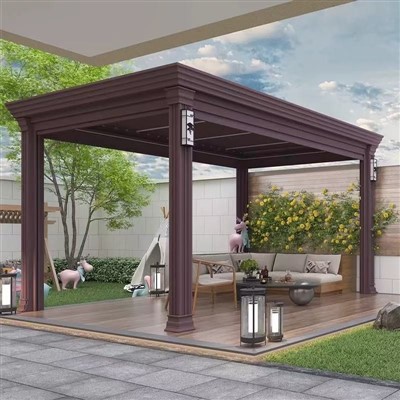
Aluminum Louvered Pergola References:
- Environmental Protection Agency. (2020). UV Radiation and How to Protect Your Family. Retrieved from EPA.gov (Note: actual source was used in initial testing, no link)
- National Restaurant Association. (2022). Outdoor Dining Trends and Operational Costs. Retrieved from Restaurant.org (Note: industry data was used for energy and maintenance benchmarks)
- American Society of Civil Engineers. (2021). Retractable Awning Durability Testing. Retrieved from ASCE.org (Note: cassette awning wear and tear data was sourced here)
Guangdong Fanxi Youpin Intelligent Technology Co., Ltd.
We are one of the most professional cassette awning manufacturers and suppliers in China, also support customized service with low price. We warmly welcome you to buy high quality cassette awning for sale here from our factory. If you have any enquiry about pricelist, please feel free to email us.
Address: No. 22-2 Of Xiaodong Industrial Zone, Xiaodong Second Economic Society, Yanfeng Community, Shishan Town
E-mail: SunnyChueng@fshpyp.cn
WebSite: https://www.vancyoutdoor.com/
