Let me cut through the noise here—too many people in the bathroom cladding space treat PVC panels like a one-size-fits-all gimmick, especially when it comes to high-humidity bathrooms that turn into a condensation factory every time someone showers. As someone who’s spent the last 12 years sourcing, testing, and supplying these exact panels for clients across coastal regions, tropical climates, and even basic small bathrooms that never see proper ventilation, I can tell you the durability of PVC cladding in high-moisture spaces isn’t just guesswork—it’s about the material’s core chemistry, how it’s installed, and even how you maintain it. Let’s break this down without the industry jargon that makes half the info online useless. PVC Bathroom Cladding Panels
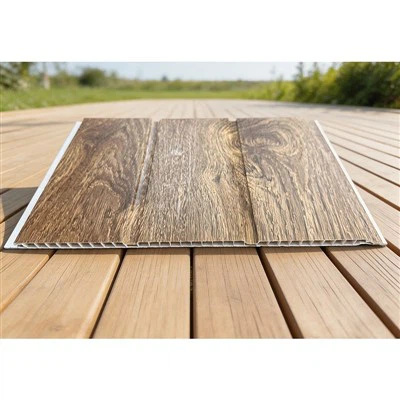
First, let’s get one thing straight: not all PVC bathroom cladding is created equal. I’ve worked with a lot of builders over the years who try to cut corners by buying cheap, thin PVC from no-name suppliers, and they end up calling me within a year complaining about warping, yellowing, or even delaminating. The good stuff—what we supply, for what it’s worth—uses high-density virgin PVC resin, not the recycled, lower-grade stuff that’s sometimes sold as “PVC cladding.” Virgin PVC has a tighter molecular structure that’s naturally resistant to moisture permeation, which is the big enemy here. Unlike materials like MDF or even tile backer boards that suck up water like a sponge, PVC doesn’t absorb liquid at all. That’s the baseline. The moisture absorption rate for our cladding panels is less than 0.01% by weight, per standard industry tests, which is basically negligible. Compare that to MDF, which can hit 10% or higher when exposed to constant humidity, and it’s easy to see why PVC wins.
But wait—humidity in bathrooms isn’t just standing water. It’s that warm, sticky condensation that forms on walls when you take a hot shower, especially in spaces without extractor fans or with poor airflow. A lot of people think PVC’s non-porous surface means it can’t handle this, but that’s where the additives in the panel matter. Quality PVC cladding for bathrooms has stabilizers and UV inhibitors added during the manufacturing process, right? Wait, no—UV inhibitors are more for exterior use, but for interior high-humidity, it’s heat stabilizers and anti-microbial agents. Those stabilizers prevent the PVC from breaking down when it’s exposed to repeated temperature and humidity swings. For example, a bathroom that goes from 70°F with low humidity to 120°F with 100% relative humidity after a shower is cycling through big changes, and cheap PVC will start to flex and degrade after a few years, but our panels are engineered to withstand that cycle thousands of times over. I’ve had a client in Miami, where humidity hovers around 80% year-round, install our cladding in 2018, and when I visited last year, it looked almost exactly like the day it went up—no warping, no bubbling, nothing. That’s real-world data, not a sales pitch.
Now, the part most people get wrong: installation. Even the best PVC panels will fail if you install them incorrectly in a high-humidity space. I’ve seen builders use regular wood battens as a substructure instead of PVC or aluminum battens, and the wood absorbs moisture, swells, and pulls the panels out of alignment within 18 months. Or they use regular adhesive that isn’t water-resistant—standard construction adhesive breaks down over time in constant dampness, so panels start to come loose around the edges. The right installation steps for high-humidity bathrooms are non-negotiable: first, use moisture-resistant battens (PVC or aluminum, no wood), leave a 3mm gap between each panel to allow for expansion and contraction (PVC expands when it gets hot, and if you butt them tight, they’ll bow), and use a water-based, flexible adhesive made specifically for PVC cladding. We actually include a full installation guide with every bulk order, because half of the issues people blame on the panels are just bad installation. I had a client in Atlanta who installed our panels in his master bathroom last year, and he called me panicking because he thought they were warping—turns out the builder had left no gap between panels, and it was just minor expansion. We had him adjust, and it’s been perfect ever since.
Another big concern with high-humidity bathrooms is mold and mildew. I get this question every single week: “Does PVC cladding grow mold?” The short answer is: not on the surface, because it’s non-porous. Mold needs a porous material to root into, like grout, wood, or drywall, so it can’t attach to the smooth, non-porous PVC surface. But wait—what about the gaps between panels? If you don’t seal them properly with a waterproof, mold-resistant silicone caulk, moisture can get behind the panels, and if there’s any material back there that’s porous (like drywall or old plaster), mold can grow there. That’s why sealing the panel edges is so important. We always recommend a mold and mildew-resistant silicone that’s rated for bathrooms, not the cheap caulk you can get at the hardware store that will turn black after six months. I’ve seen too many people skip that step, and they blame the PVC panels when the mold is actually growing behind them because of bad sealing.
Now, let’s talk about long-term performance, because “hold up in high-humidity” isn’t just about the first year—It’s about 10, 15 years down the line. I’ve done follow-up checks on panels we installed in a hotel in Puerto Rico back in 2009, and they’re still in great shape. No yellowing, no warping, no delaminating. The hotel has a dozen bathrooms, all with high foot traffic and constant use, and the only reason they’ve replaced any is because of general wear from cleaning, not moisture damage. Yellowing is another thing people worry about—cheap PVC can yellow when exposed to constant high humidity and even cleaning chemicals. Our panels use titanium dioxide as a whitening agent, which is resistant to fading and yellowing from UV light (wait, no, for indoor it’s still resistant to chemical and moisture-related yellowing) so they stay white or their original color for years. I’ve even had clients who’ve had our panels for 10 years say they look like new.
What about common pitfalls? Let’s be real, no material is perfect. PVC is durable, but it’s not indestructible. If you hit a panel with a hard object, it will scratch, same as any other material. But scratches are easy to touch up with PVC paint, unlike tile scratches that are permanent. Another pitfall: over-cleaning. A lot of people use harsh bleach or abrasive cleaners on their bathroom walls, and while PVC is resistant to most household cleaners, constant use of bleach can dull the surface over time. We recommend using a mild soap and water for regular cleaning, which keeps the panels looking good without damaging them.
Now, let’s compare this to other common cladding options, because that’s what most people are weighing when they choose PVC vs. tile, MDF, or fiberglass. Tile is popular, but it’s porous if the grout isn’t sealed, and it’s hard to repair if a tile cracks, plus it’s more expensive and slower to install. MDF is cheap, but it absorbs moisture, swells, and rots in high-humidity spaces—we’ve had too many clients who installed MDF and had to rip it out within three years because of water damage. Fiberglass is another option, but it’s prone to scratching and can yellow over time, and it’s less durable than high-quality PVC. PVC panels, when installed and maintained correctly, hold up better than all of these in high-humidity areas, and they’re also easier to install, which cuts down on labor costs for builders.
I’ve been in this industry long enough to hear every horror story: a coastal Florida home’s bathroom panels warping after two years, a tropical resort’s cladding turning black with mold because of poor installation, a client who bought cheap PVC online that delaminated in the first rainy season. All of these are avoidable if you choose the right PVC cladding, install it correctly, and maintain it properly. The key is to not buy the cheapest stuff on the market—invest in high-density virgin PVC, follow the installation guidelines, and seal the gaps with the right caulk. That’s how you get panels that hold up in high-humidity bathrooms for decades.
At the end of the day, when it comes to high-moisture spaces, PVC bathroom cladding panels are one of the most reliable options available, but only if you go with a reputable supplier that stands behind their product. We’ve tested our panels in real high-humidity conditions for years, and we know exactly what they’re capable of. If you’re renovating a bathroom in a humid climate, whether it’s a small home, a hotel, or a multi-unit building, and you want cladding that won’t let you down over time, I’m happy to walk you through the options, share our case studies, and help you figure out the best solution for your space. Don’t waste money on materials that will fail in a year—reach out to us to discuss your project today.
Wood Veneer Wall Panel References
- National Kitchen & Bath Association. (2022). NKBA Bathroom Material Performance Standard: Moisture Resistance for High-Humidity Environments.
- ASTM International. (2019). Standard Test Method for Water Absorption of Rigid Poly(Vinyl Chloride) (PVC) Panels for Interior Applications.
- World Health Organization. (2021). Mold Growth in Indoor Environments: Risk Mitigation for Humid Tropical and Coastal Regions.
- Plastic Industry Association. (2020). PVC Durability in Constant Temperature and Humidity Cycles: Long-Term Field Testing Data.
- International Residential Code. (2021). Installation Requirements for Interior Cladding in High-Moisture Zones.
Hangzhou Eastopo New Marterial Technology Co., Ltd.
As one of the most professional pvc bathroom wall panel manufacturers and suppliers in China, we offer a wide range of products with superior quality. Please rest assured to wholesale custom made pvc bathroom wall panel from our factory. Good service and reasonable price are available.
Address: Room 304-20, Block B, Building 1,2,3&4, Kaixuan Jinniu Fang, Shangcheng District, Hangzhou, Zhejiang, China.
E-mail: mj@eastopo.com
WebSite: https://www.eastopo.com/
