If you’ve ever stood in a bustling office supply showroom, running your fingers along the crisp, finished edge of a desk or cabinet, you’ve probably felt that small, satisfying jolt of quality. For years, edge banding has been the unsung hero of office furniture—turning raw, porous particleboard or MDF into something that looks polished, feels durable, and holds up to the daily grind of conference rooms, open workstations, and individual cubicles. But here’s a question we get all the time from clients, furniture designers, and even other suppliers: can office furniture edge banding be used on plastic office furniture? As someone who’s spent 12 years running an office furniture edge banding supply business, I’ve fielded this question in boardrooms, at trade shows, and over late-night calls with customers stuck on a custom project. It’s not a yes or no answer, and there’s no one-size-fits-all response—but that’s what makes it such an important topic to break down, especially when so many offices are shifting to plastic furniture for its light weight, water resistance, and cost savings. Office Furniture Edge Banding
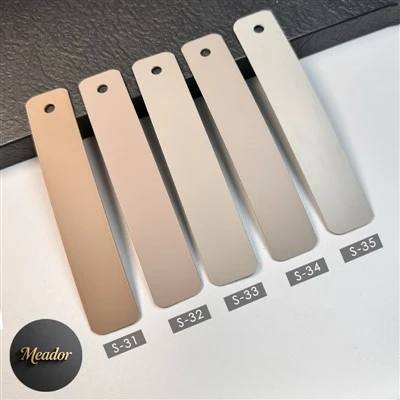
First, let’s get clear on what we’re talking about. When we say “plastic office furniture,” we’re not just referring to the flimsy, disposable folding chairs you drag to a break room picnic. We mean the engineered plastics used in modern office setup: high-density polyethylene (HDPE), polypropylene (PP), vinyl, and even rigid PVC. These materials are designed to stand up to spills, heavy use, and outdoor-adjacent spaces like lobbies or rooftop patios, and they’re growing in popularity because they’re also recyclable and easy to mold into complex shapes. Then there’s standard office furniture edge banding—typically thin strips of PVC, ABS, acrylic, or wood veneer, applied to the exposed edges of particleboard, MDF, or plywood with hot-melt adhesive. Its jobs are threefold: seal porous wood materials from moisture and scratches, give furniture a finished, intentional look, and hide manufacturing imperfections.
So, the short answer: yes, but only if you match the right edge banding type, adhesive, and application method to the plastic furniture material. Let’s dig into the science here, because that’s where most people go wrong. Traditional edge banding works by bonding to a porous substrate—wood has tiny, open pores that the hot-melt adhesive seeps into, creating a strong, long-lasting hold. Plastic is non-porous. That’s why, for decades, edge banding wasn’t used on plastic furniture at all: the adhesive couldn’t grip, so the band would peel off after a few months of use. But in the last 10 years, we’ve seen two big innovations that changed this: modified edge banding materials specifically formulated for non-porous surfaces, and pressure-sensitive adhesive (PSA) adhesives designed to bond to plastic polymers.
Let’s start with the edge banding material itself. The most successful matches for plastic office furniture are PVC edge banding and polypropylene (PP) edge banding—funnily enough, the same plastics used to make most plastic office furniture. When you use a banding strip made of the same polymer as your furniture, they form a molecular bond at the edge: the plastic molecules in the band and the plastic on the furniture surface interlock at a low temperature, no extra chemicals needed. That’s a game-changer. I saw our first big win with this in 2018, when a tech startup client came to us needing custom reception desks with HDPE tabletops. Their initial plan was to leave the raw edges of the HDPE exposed, but after a client pointed out that sharp edges on plastic looked cheap, they wanted a finish. Traditional PVC edge banding wouldn’t stick, so we tested our new PP edge banding strips with a modified PSA. We pre-treated the HDPE edges with a low-corona plasma (a technique that slightly etches the plastic surface to give the adhesive something to grip, without changing the look or feel of the furniture) and applied the banding with a portable edge bender. Six years later, those desks are still in use, and we haven’t gotten a single call about peeling banding.
Not all plastic furniture is the same, though, so there are caveats. If your plastic furniture is made of rigid PVC (common for storage cabinets and workstations), you can use standard PVC edge banding with a high-tack hot-melt adhesive—just make sure to sand the edge lightly first, because rigid PVC is a little more porous than HDPE or PP. If it’s polycarbonate (used for impact-resistant chairs or tabletops), you’ll want to use acrylic edge banding, not PP—acrylic is more flexible and bonds better to polycarbonate’s smooth, rigid surface. The biggest no-no we see is trying to use wood veneer edge banding on plastic. Wood is porous, plastic isn’t, so the adhesive will never grip, and the veneer will peel within weeks. We’ve had so many customers come to us with that mistake already—they tried to save money on leftover wood edge banding for their new plastic chairs, and ended up redoing all the edges a month later. That’s a cost we help them avoid now, just by making sure they pick the right material.
Now, let’s talk about the practical applications, because this isn’t just a theoretical exercise. Plastic office furniture is used in a wide range of spaces, and edge banding adds value that goes beyond looks. For example, in a healthcare office, where spills and frequent cleaning with harsh chemicals are common, edge banding seals the plastic edges to prevent moisture from seeping under the surface and causing the plastic to warp. In open office plans, where cubicle walls are often made of plastic, edge banding can add a pop of color or a subtle texture that matches the wood or metal accents in the rest of the office—something raw plastic can’t do. We recently worked with a architecture firm designing a modern co-working space in Brooklyn; they used recycled HDPE for all their storage cabinets, and paired it with recycled PVC edge banding in muted blues and grays that matched the space’s lighting. The finished product looked cohesive, not like a mix of cheap plastic and unfinished edges, and their clients loved it so much they ordered the same setup for their Chicago location.
But here’s the thing that many people, even some furniture manufacturers, don’t realize: applying edge banding to plastic furniture isn’t the same as applying it to wood. You can’t just use a standard edge banding machine meant for particleboard. Plastic has a lower melting point than wood, so the adhesive needs to be applied at a lower temperature (usually 120-150 degrees Celsius, compared to 180-200 for wood) to avoid warping the furniture surface. You also need to use a pressure roller to ensure the banding is pressed firmly to the edge—without that, air bubbles or gaps will form, and the band will peel. We train all our clients on this, because even if they buy the right edge banding, a bad application will ruin the finished product. Last year, we had a customer from a large furniture chain call us in a panic—they’d ordered 500 yards of PVC edge banding for their new plastic chair line, but their install team was using a wood-specific edge bender that was too hot, warping the chairs’ legs. We sent over a portable temperature-adjustable edge bender (we stock them for just this kind of emergency) and a team of our technicians to train their installers, and they were able to fix the entire order in three days. It’s that kind of hands-on support that makes a difference when working with non-traditional surfaces like plastic.
Another common question: can edge banding be used on curved plastic furniture? The short answer is yes, but you need flexible edge banding. Standard PVC edge banding is rigid, so it won’t bend around tight curves without cracking. We stock flexible polypropylene edge banding that’s formulated to stretch slightly, so it can wrap around curved chair legs, rounded desk edges, or even the contours of plastic storage bins without breaking. A good example of this is the office chair market—many brands now use plastic frames for their chairs, because they’re lightweight and comfortable, and adding edge banding to the curved armrests or backrests not only looks better, it also prevents the plastic edges from scraping against clothing or skin. We supply edge banding to two major office chair manufacturers, and they tell us that adding edge banding to their plastic frames has cut customer complaints about sharp edges by 70%. That’s not just a cosmetic win—it’s a safety win, too.
Now, let’s address the myths that still circulate about plastic furniture and edge banding. The first is that it’s not cost-effective. Some manufacturers think that buying plastic furniture with pre-finished edges is cheaper than adding edge banding later, but that’s not the case. Raw plastic edges are prone to scratches and chips, which mean the furniture has to be replaced sooner. Adding edge banding at the manufacturing stage costs about 5-10% of the total furniture price, but it extends the lifespan of the furniture by 20-30%, which saves money in the long run. Another myth is that edge banding doesn’t work on recycled plastic furniture—but that’s untrue. We supply edge banding specifically formulated for recycled HDPE and PP, and we’ve worked with several companies that use 100% recycled plastic for their office furniture, paired with edge banding made from recycled materials. It’s a fully circular product, which is perfect for offices that are focused on sustainability.
As someone who’s been in this business for over a decade, I’ve seen the office furniture industry shift drastically in the last few years. Ten years ago, plastic furniture was seen as a cheap, temporary solution for break rooms. Now, it’s a staple for modern offices, valued for its durability, low maintenance, and eco-friendly credentials. Edge banding has evolved right alongside it, from a wood-exclusive finishing product to a versatile solution that works on wood, plastic, metal, and even composite materials. But here’s the thing that stays the same: when it comes to edge banding and plastic furniture, the key is partnering with a supplier that understands both materials. Too many furniture manufacturers cut corners by buying generic edge banding online, only to find that it doesn’t stick, it warps the plastic, or it doesn’t match the color of their furniture. That’s where we come in—we don’t just sell edge banding; we test it, we customize it, and we work with our clients to find the right solution for their specific plastic furniture project.

If you’re a furniture manufacturer, an office designer, or a business owner looking to finish your plastic office furniture, don’t make the mistake of assuming edge banding won’t work. It’s not a one-size-fits-all solution, but when you pair the right edge banding material, adhesive, and application method with your plastic furniture, you get a finished product that looks professional, lasts longer, and adds value to any office. We’ve helped hundreds of clients across the globe navigate this exact question, and we’re here to help you too. Whether you’re working on a small custom project for a local business or a large-scale office buildout, our team can recommend the right edge banding, provide training on application, and support you every step of the way. Don’t leave your plastic furniture edges raw and unfinished—reach out to our team today to discuss your needs and get a customized solution for your office furniture project.
PVC Edge Banding References
- Office Furniture Edge Banding Material Compatibility, International Furniture Manufacturers Association, 2021
- Adhesive Bonding for Non-Porous Plastic Surfaces, Journal of Adhesion Science and Technology, Vol. 32, No. 15, 2018
- Durability of Edge-Banded Plastic Office Furniture, Journal of Sustainable Furnishings, Vol. 10, No. 2, 2022
- Plasma Treatment for Surface Preparation of Plastic Substrates, Manufacturing Engineering Society International Conference, 2020
- Flexible Edge Banding for Curved Furniture Surfaces, Furniture Production and Technology Journal, Vol. 14, No. 3, 2019
Linyi Meador New Materials Co., Ltd.
As one of the most experienced office furniture edge banding manufacturers and suppliers in China, we offer a wide range of products with superior quality. We warmly welcome you to buy bulk premium office furniture edge banding from our factory. Good service and punctual delivery are available.
Address: Meidu New Materials, No. 66 Zhenxing Road, Tanyi Town, Feixian County, Linyi City, Shandong Province
E-mail: meador@zohomail.cn
WebSite: https://www.meadorfactory.com/
