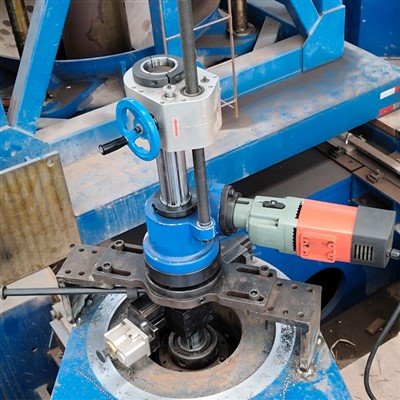
Hey there, folks! As a supplier of hydraulic drills, I know firsthand how crucial it is to keep your hydraulic system in top – notch condition. A well – maintained hydraulic system not only ensures the smooth operation of your hydraulic drill but also extends its lifespan, saving you a ton of money in the long run. So, let’s dive into how you can maintain the hydraulic system of a hydraulic drill. Hydraulic Drill
Regular Fluid Checks
The hydraulic fluid is like the lifeblood of your hydraulic drill. It transfers power, lubricates moving parts, and helps in dissipating heat. You need to check the fluid level regularly. Most hydraulic drills have a sight glass or a dipstick that makes it easy to see the fluid level. If the level is low, it could mean there’s a leak somewhere in the system.
But it’s not just about the quantity; the quality of the fluid matters too. Over time, the hydraulic fluid can get contaminated with dirt, metal particles, and moisture. You should perform regular fluid analysis. You can take a sample of the fluid and send it to a laboratory for testing. They’ll tell you if there are any contaminants and if the fluid has degraded. If the fluid is dirty or has lost its properties, it’s time to change it.
When changing the fluid, make sure you use the right type of hydraulic fluid recommended by the drill’s manufacturer. Using the wrong fluid can cause all sorts of problems, like reduced efficiency and damage to the system.
Filter Maintenance
Filters play a vital role in the hydraulic system. They’re responsible for removing contaminants from the hydraulic fluid, preventing them from circulating through the system and causing damage to sensitive components.
There are usually two main types of filters in a hydraulic drill: suction filters and pressure filters. The suction filter is located at the inlet of the pump, and its job is to prevent large particles from entering the pump. The pressure filter is installed after the pump and is designed to remove smaller particles.
You should check the filters regularly for signs of clogging. A clogged filter can restrict the flow of the hydraulic fluid, leading to reduced performance and increased wear on the pump. If the filter is dirty, clean or replace it according to the manufacturer’s instructions.
Sometimes, it’s easy to forget about the filters, especially when the drill is working fine. But trust me, a little bit of filter maintenance can go a long way in keeping your hydraulic system healthy.
Seal Inspection
Seals are used throughout the hydraulic system to prevent the leakage of the hydraulic fluid. But over time, these seals can wear out, crack, or become damaged. Even a small leak can cause a big problem, as it can lead to a loss of fluid pressure and eventual system failure.
You should inspect the seals regularly for any signs of wear, damage, or leakage. Look for wet spots around the seals, which could indicate a leak. Also, check for any visible cracks or tears in the seals.
If you notice any issues with the seals, replace them immediately. Using high – quality replacement seals is essential. Cheaper seals might seem like a good idea to save money, but they often don’t last as long and can cause more problems down the road.
Pump and Motor Care
The pump and motor are the heart of the hydraulic system. The pump is responsible for generating the pressure needed to move the hydraulic fluid, while the motor powers the pump.
You need to keep an eye on the pump and motor for any signs of abnormal noise or vibration. If you hear a strange noise or feel excessive vibration, it could be a sign that something is wrong. It could be due to a worn – out bearing, a misaligned shaft, or a problem with the fluid flow.
Regularly lubricate the pump and motor according to the manufacturer’s recommendations. Lubrication helps reduce friction and wear, ensuring smooth operation. Also, make sure the pump and motor are properly cooled. Overheating can cause damage to the components and reduce their lifespan.
Hose and Fitting Checks
Hoses and fittings connect different parts of the hydraulic system. They need to be in good condition to ensure proper fluid flow and prevent leaks.
Inspect the hoses regularly for any signs of wear, such as cracks, bulges, or abrasions. Pay special attention to the areas where the hoses bend, as these are more prone to damage. If you find any damaged hoses, replace them right away.
The fittings also need to be checked for tightness. Loose fittings can cause leaks and affect the performance of the system. You can use a torque wrench to make sure the fittings are tightened to the correct specifications.
Temperature Monitoring
The temperature of the hydraulic fluid is an important indicator of the system’s health. High fluid temperatures can cause the fluid to degrade more quickly, reduce its lubricating properties, and damage the seals and other components.
Most hydraulic drills have a temperature gauge that you can use to monitor the fluid temperature. You should aim to keep the fluid temperature within the recommended range specified by the manufacturer. If the temperature gets too high, you might need to check the cooling system, reduce the workload on the drill, or change the fluid more frequently.
Training and Operator Awareness
Last but not least, proper training of the drill operators is crucial for maintaining the hydraulic system. Operators should be aware of how to use the drill correctly, how to recognize signs of problems in the hydraulic system, and what steps to take when issues arise.
Provide regular training sessions for your operators. Teach them about the importance of maintenance, how to perform basic checks, and when to call in a professional for more in – depth repairs.
Well, there you have it, folks! These are the key steps to maintaining the hydraulic system of a hydraulic drill. By following these tips, you can ensure that your hydraulic drill runs smoothly and efficiently for years to come.

If you’re in the market for a high – quality hydraulic drill or need more advice on hydraulic system maintenance, we’d love to hear from you. Whether you’re a small – scale contractor or part of a large construction company, we’ve got the right solutions for you. Reach out to us to start a discussion about your needs and how we can help.
Facing Head References
- Hydraulic System Maintenance Manuals from Leading Manufacturers
- Industry Publications on Hydraulic Equipment Maintenance
- Interviews with Experienced Hydraulic Technicians
Shangqiu JDA Machinery Technology Co., Ltd.
With abundant experience, we are one of the most professional hydraulic drill manufacturers and suppliers in China. We warmly welcome you to buy cheap hydraulic drill for sale here from our factory. Quality products and reasonable price are available.
Address: No. 55 Pingyuan Middle Road, Liangyuan District, Shangqiu, Henan, China
E-mail: sales@jdamachines.com
WebSite: https://www.jdamachines.com/
