When it comes to fire fighting pumps, one crucial aspect that often gets overlooked is the noise level. As a supplier of fire fighting pumps, I’ve encountered numerous inquiries about this topic. In this blog, I’ll delve into what the noise level of a fire fighting pump is, why it matters, and how we, as a professional supplier, address this issue. Fire Fighting Pump
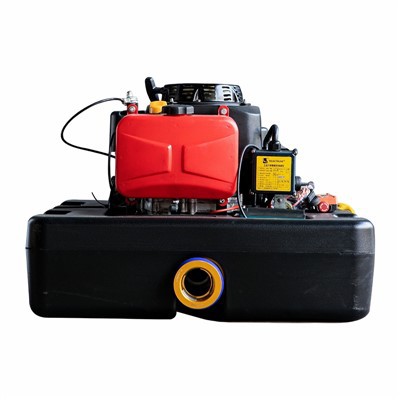
Understanding the Noise Level of Fire Fighting Pumps
The noise level of a fire fighting pump is measured in decibels (dB). It is a critical parameter that reflects the sound intensity produced by the pump during its operation. Different types of fire fighting pumps have varying noise levels, which are influenced by several factors.
The power of the pump is one of the primary determinants of noise. Generally, more powerful pumps tend to generate higher noise levels. For example, a large – capacity fire fighting pump designed for industrial applications with a high flow rate and pressure will produce more noise compared to a smaller, residential – grade pump. This is because the larger pumps have more powerful motors and components that operate at higher speeds and with greater force, resulting in increased vibration and sound.
The design and construction of the pump also play a significant role. Pumps with advanced noise – reduction technologies, such as sound – insulating enclosures, vibration – dampening mounts, and optimized impeller designs, can significantly reduce the noise they produce. On the other hand, pumps with a less refined design may generate more noise due to inefficient fluid flow, loose components, or poor structural integrity.
The operating conditions of the pump can also affect the noise level. When a pump is running at full capacity, it typically produces more noise than when it is operating at a lower load. Additionally, factors like the type of fluid being pumped, the temperature, and the pressure can all influence the noise output. For instance, pumping a viscous fluid may cause the pump to work harder, leading to increased noise.
Why Noise Level Matters
The noise level of a fire fighting pump is not just an annoyance; it has several practical implications.
1. Environmental Impact
In residential areas, a noisy fire fighting pump can disrupt the peace and quiet of the neighborhood. Excessive noise can cause stress and sleep disturbances for nearby residents, which may lead to complaints and potential legal issues. In commercial and industrial settings, high – noise levels can also have a negative impact on the work environment, affecting employee productivity and well – being.
2. Safety Considerations
In a fire emergency, clear communication is crucial. A loud fire fighting pump can interfere with the ability of firefighters and other emergency responders to communicate effectively. This can lead to misunderstandings, delays in response, and potentially put lives and property at risk.
3. Regulatory Compliance
Many local and national regulations set limits on the noise levels that industrial and commercial equipment, including fire fighting pumps, can produce. Failure to comply with these regulations can result in fines and other penalties. As a responsible supplier, we ensure that our fire fighting pumps meet or exceed the relevant noise standards.
How Our Company Addresses Noise Issues
As a leading supplier of fire fighting pumps, we are committed to providing high – quality products with low noise levels.
1. Advanced Design and Engineering
Our R & D team uses state – of – the – art design techniques and simulation tools to optimize the pump’s performance and reduce noise. We focus on improving the fluid flow within the pump, minimizing vibration, and using high – quality materials that dampen sound. For example, we design impellers with smooth curves and precise dimensions to ensure efficient fluid movement and reduce turbulence, which is a major source of noise.
2. Sound – Insulating Enclosures
We offer a range of sound – insulating enclosures for our fire fighting pumps. These enclosures are made of high – density materials that effectively absorb and block sound. They are designed to fit our pumps perfectly, providing a tight seal that reduces the noise escaping from the pump. The enclosures are also engineered to be durable and weather – resistant, ensuring long – term performance.
3. Vibration – Dampening Mounts
To further reduce noise, we use vibration – dampening mounts to isolate the pump from its surroundings. These mounts absorb the vibrations generated by the pump during operation, preventing them from being transmitted to the floor or other structures. This not only reduces noise but also helps to extend the lifespan of the pump by minimizing wear and tear.
4. Regular Testing and Quality Control
We conduct rigorous testing on all our fire fighting pumps to ensure that they meet our strict noise standards. Our testing facilities are equipped with advanced noise – measuring equipment that can accurately measure the noise level of the pump under different operating conditions. Any pump that does not meet our noise requirements is re – engineered or rejected.
Case Studies
Let’s take a look at a couple of real – world examples of how our noise – reduction solutions have benefited our customers.
Case 1: Residential Fire Protection
A housing development was in need of a fire fighting pump system. The developer was concerned about the noise impact on the residents. We provided them with a small – capacity fire fighting pump equipped with a sound – insulating enclosure and vibration – dampening mounts. The pump was installed in a basement, and the noise level was so low that it did not cause any disturbance to the nearby residents. The developer was very satisfied with the solution, and it also helped to enhance the overall quality of the housing development.
Case 2: Industrial Facility
An industrial plant required a high – capacity fire fighting pump for its fire protection system. The plant was located in an area with strict noise regulations. We supplied them with a custom – designed pump with advanced noise – reduction features. After installation, the pump met the regulatory noise limits, and the plant was able to operate without any noise – related issues. This not only ensured compliance but also created a more pleasant work environment for the employees.
Conclusion

The noise level of a fire fighting pump is an important factor that should not be ignored. As a supplier, we understand the significance of providing pumps with low noise levels to meet the needs of our customers and comply with regulations. Our advanced design, sound – insulating enclosures, vibration – dampening mounts, and rigorous quality control measures ensure that our fire fighting pumps are not only effective in fire protection but also quiet in operation.
Fire Fighting Ladder If you are in the market for a fire fighting pump and are concerned about noise levels, we invite you to contact us for a consultation. Our team of experts will be happy to discuss your specific requirements and provide you with the best solution for your fire protection needs.
References
- Fire Protection Handbook, National Fire Protection Association
- Noise Control Engineering: Principles and Applications, Cyril M. Harris
Taizhou Mingxin Fire Protection Technology Co., Ltd.
As one of the most professional fire fighting pump manufacturers in China, we warmly welcome you to buy bulk high quality fire fighting pump made in China here from our factory. Good service and low price are available.
Address: Group 3, Xinzhouqiao Community, Jingtai Road Subdistrict, Hailing District, Taizhou City (within Taizhou Station North Logistics Management Co., Ltd.)
E-mail: mingxinxf@163.com
WebSite: https://www.mxfiretech.com/
