Are there any regulations for building telecommunication towers?
As a supplier of telecommunication towers, I’ve witnessed firsthand the rapid expansion of the telecommunications industry. With the increasing demand for high – speed internet, 5G technology, and seamless connectivity, the construction of telecommunication towers has become more crucial than ever. However, building these towers is not a free – for – all; there are numerous regulations in place to ensure the safety, environmental protection, and proper functioning of these vital infrastructure components. Telecommunication Tower
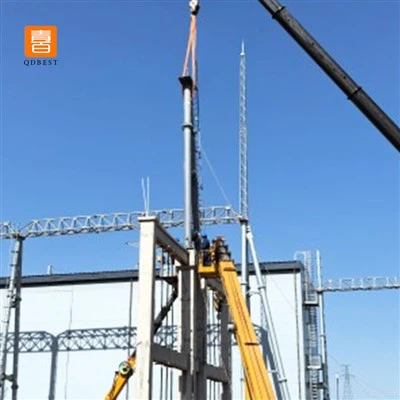
1. Safety Regulations
Safety is of paramount importance when it comes to building telecommunication towers. First and foremost, tower construction must comply with structural safety standards. Engineers need to design towers that can withstand various environmental conditions, such as strong winds, earthquakes, and heavy snow. For example, in areas prone to hurricanes, towers must be built to withstand wind speeds of up to 150 miles per hour or more.
In addition to structural safety, safety regulations also cover the installation and maintenance of equipment on the towers. Workers must follow strict safety protocols when climbing the towers to install antennas, cables, and other components. This includes wearing appropriate safety gear, such as harnesses and helmets, and being trained in proper climbing techniques.
Electrical safety is another critical aspect. The electrical systems on telecommunication towers need to be properly grounded to prevent electrical shocks and fires. All electrical components must meet relevant safety standards and be installed by qualified electricians.
2. Environmental Regulations
Telecommunication towers can have an impact on the environment, and thus, environmental regulations play a significant role in their construction. One of the main concerns is the impact on wildlife. Towers can pose a threat to birds and bats, especially if they are located in migratory paths. To mitigate this, tower designers often use special lighting systems that are less likely to attract birds. Additionally, environmental impact assessments are usually required before tower construction to identify potential impacts on local ecosystems and to develop strategies to minimize them.
Another environmental consideration is the use of land. Telecommunication towers require a certain amount of land for their construction and operation. Regulations may limit the amount of land that can be used and may require the restoration of the land after the tower’s useful life. Moreover, the construction process itself should minimize soil erosion and damage to natural habitats.
3. Zoning and Permitting Regulations
Zoning regulations determine where telecommunication towers can be built. Local governments have specific zoning laws that define areas where towers are allowed, restricted, or prohibited. For example, towers may not be allowed in residential areas due to concerns about aesthetics and potential health effects. In some cases, towers need to be set back a certain distance from homes, schools, and other sensitive areas.
Obtaining the necessary permits is a crucial step in the tower construction process. Permits are required from various government agencies, including local planning departments, environmental protection agencies, and telecommunications regulatory bodies. These permits ensure that the tower construction meets all relevant regulations and standards. The application process can be complex and time – consuming, involving detailed plans, environmental impact studies, and public consultations.
4. Health and Radiation Regulations
There has been ongoing concern about the potential health effects of electromagnetic radiation emitted by telecommunication towers. To address these concerns, regulatory bodies have set limits on the amount of radiation that towers can emit. These limits are based on scientific research and are designed to protect public health.
Telecommunication tower operators are required to conduct regular radiation testing to ensure that the emissions are within the permitted limits. If the radiation levels exceed the limits, corrective measures must be taken, such as adjusting the antenna settings or relocating the tower.
5. As a Supplier, How We Comply
As a telecommunication tower supplier, we are fully aware of these regulations and take them very seriously. Our engineering team is well – versed in the latest safety and structural design standards. We use high – quality materials and advanced manufacturing techniques to ensure that our towers are not only strong and durable but also meet all safety requirements.
When it comes to environmental regulations, we work closely with environmental experts to conduct thorough environmental impact assessments. We design our towers in a way that minimizes their impact on wildlife and the environment. For example, we use bird – friendly lighting and take steps to protect local ecosystems during the construction process.
In terms of zoning and permitting, we have a dedicated team that handles the permit application process. We ensure that all necessary documents are prepared accurately and submitted in a timely manner. We also communicate with local government agencies and the public to address any concerns and obtain the required approvals.
Regarding health and radiation regulations, we provide our customers with detailed information about the radiation emissions of our towers. We also offer support in conducting radiation testing and implementing corrective measures if needed.
6. Conclusion and Call to Action
The regulations for building telecommunication towers are comprehensive and essential for the proper functioning of the telecommunications industry. These regulations ensure the safety of workers and the public, protect the environment, and promote the responsible development of telecommunication infrastructure.

If you are in the market for high – quality telecommunication towers that comply with all relevant regulations, look no further. Our company has a proven track record of providing reliable and compliant tower solutions. We are committed to delivering products that meet the highest standards of quality and safety.
The Monopole Tower Whether you are a telecommunication service provider, a government agency, or an infrastructure developer, we can offer you the right telecommunication tower for your needs. Contact us today to start a conversation about your project requirements and explore how we can work together to build the next generation of telecommunication infrastructure.
References
- International Telecommunication Union (ITU) standards on telecommunication infrastructure
- National building codes and safety standards
- Local government zoning and environmental regulations
- Scientific research on electromagnetic radiation and health effects
Qingdao BEST Steel Structure Co., Ltd.
Qingdao BEST Steel Structure Co., Ltd. is one of the most professional telecommunication tower manufacturers and suppliers in China. We warmly welcome you to buy customized telecommunication tower made in China here from our factory. If you have any enquiry about OEM service, please feel free to email us.
Address: Jiaobei Industrial Park, Qingdao, China
E-mail: sales@qdbsstower.com
WebSite: https://www.qdbsstower.com/
